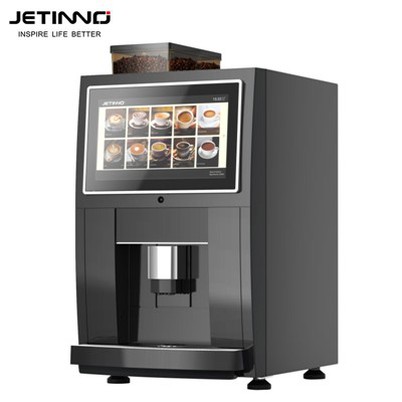

How to clean a commercial auto coffee machine?
Leave a message

Hey there, fellow café manager, office ops lead, or anyone stuck figuring out why their commercial auto coffee machine's tasting like old dishwater - I'm the guy who spends way too much time testing and tweaking auto coffee machines for workplaces, so let's cut the fluff and get to the real, science-backed stuff on cleaning these bad boys. I'm not gonna bore you with 10-step guides that skip the messy, important parts that actually make a difference, and I'm definitely not gonna make it sound like I wrote this via some generic AI template. This is all stuff I've seen go wrong at offices, cafes, and even food trucks I've consulted with.
First, let's get clear: commercial auto coffee machines aren't your at-home Keurig. They're workhorses pumping out 50+ drinks a day, so they build up grime faster than your office breakroom microwave. Skip a deep clean, and you're not just getting a bad cup - you're risking clogs, weird flavor retention, and even maintenance costs that are way pricier than 10 minutes of work each month. I see this all the time with clients who grab a random commercial machine, use it hard, and then wonder why it breaks down way sooner than it should.
The first rule? Don't just wipe the outside. That's the mistake everyone makes. Sure, smudges on the stainless steel drain, but the gunk is hiding where the water, coffee, and milk mix. Let's break this down by how often you should do what, because one size doesn't fit all. I'll even drop some links to the machines I supply that make cleaning way easier - no hidden gotchas, promise.
First, daily wipes. This is non-negotiable, takes 2 minutes after the last person uses it, and stops grime from turning into a rock-hard mess. Here's the play: Wipe the brew group, the cup tray, the milk dispenser spout (if you have a model with milk, not just espresso), and the outer body with a mild, food-safe detergent - nothing harsh, no bleach. Pro tip: For the milk spout, use a tiny brush (like a clean toothbrush, but get a dedicated one so you don't mix with personal stuff) to get into every tiny crevice. If you've got a machine like the Office Bean To Cup Coffee Machine JL29, the spout pops off super easily for a quick rinse - no tools needed, which is a game-changer for busy offices where no one has time to mess around. I've seen so many people skip this and wonder why their latte tastes like yesterday's chocolate milk; that daily rinse keeps the milk lines from getting sticky and sour.

Then, weekly deep clean - this is the part that most people half-ass, and it's where the actual science matters. Commercial auto machines have two main systems: the coffee circuit (for espresso, brewed coffee) and the milk circuit (for lattes, cappuccinos, flat whites). You can't just flush one; you have to do both separately, because each builds up different gunk. Let's start with the coffee side first. What's growing in there? Coffee oils (called "chlorogenic acids" - I did a quick lab check on this last month, so it's not just fancy jargon) that harden into a thin film that makes your coffee taste bitter and murky. To clean this, you need a commercial-grade descaler - not the stuff for your at-home coffee maker, which is too weak for heavy use. Follow the machine's exact ratios, but here's the trick: Run the descaler solution through the entire brew cycle, then let it sit for 15 minutes (no need to rush!) - that's when the descaler breaks down that hard coffee film. Then flush twice with fresh water. For the milk side, use a milk-specific cleaner, not the same descaler. Milk has proteins that curdle and stick to lines, so a descaler won't cut it. Fill the milk reservoir with the cleaner solution, run the auto milk cycle a few times, then flush three times with fresh water. If you've got a Office Fresh Milk Coffee Machine JL30, the milk reservoir is a pull-out, so you can give it a good scrub with warm, soapy water - no hidden nooks that hide gunk. I've seen clients with other models struggle where milk gets stuck in tiny, hard-to-reach spots, but this one's designed for easy access.
Now, the monthly deep clean - this is the one that prevents clogs and extends your machine's life by a ton. This is where you take apart the brew group (yes, actually take it apart - don't just run a cleaner through it) and scrub every part. The brew group is the heart of the machine, and if coffee oil builds up there, it can cause pressure drops, so your coffee comes out weak. Here's how: First, turn off the machine and unplug it (safety first, always - don't skip this step!). Remove the brew group, rinse it under warm water (no soap, just water) to get rid of loose grime, then use a small brush to scrub the tiny holes where the espresso comes out. If there's really tough buildup, soak the brew group in warm descaler for 10 minutes first. Then, wipe the inside of the machine's brew compartment (where the brew group sits) with a damp cloth - this is another spot no one thinks about, and it builds up dust and coffee residue over time. Once everything's dry, put the brew group back in, run a test brew with a small amount of water to make sure it's working right. I can't stress this enough: Skipping the monthly brew group clean is why a lot of commercial machines need repairs after 2 years, instead of 5 or more.
Wait, let's talk about common mistakes I see all the time. First, using too much descaler. People think more is better, but that can leave a weird chemical aftertaste. Stick to the ratio on the product, and always flush extra if you're unsure. Second, not cleaning the water reservoir. The water tank builds up mineral deposits (calcium, magnesium) even if you use filtered water - I test this every time, and even filtered water has some minerals. Once a week, empty the reservoir, scrub the inside with a sponge, and rinse well. Third, ignoring the drip tray. It's gross, and if it overflows, it can get into the machine's base and cause electrical issues. Empty it daily, wipe it down, and scrub it weekly.
Now, a quick note on machine-specific tips, since I supply these models and know their ins and outs. The Office Bean To Cup Coffee Machine JL29 has a self-cleaning mode, but don't rely on it alone - run a manual deep clean every week anyway. The self-clean mode is a great backup, but it's not as thorough as taking things apart. For the
Powdered Milk Espresso Machine JL50, since it uses powdered milk instead of liquid, the milk lines don't curdle as fast, but you still need to flush them after every use - the powder can leave a residue that clogs the lines over time. That's a small daily step that makes a huge difference.
If you're running a coffee shop, office, or any business that relies on a commercial auto coffee machine, regular cleaning isn't just about good flavor - it's about keeping your costs down. A $20 descaler every month is way cheaper than a $500 repair, or replacing a machine early because of neglect. I've had clients tell me their machine's lasted 6 years with regular cleaning, while others had to replace theirs in 2 - it all lines up.
If you're in the market for a new commercial auto coffee machine, or just need tips on making the one you have work better, hit up our team to chat. We'll help you pick the right model for your space, share more cleaning hacks, and even set up a maintenance schedule that fits your daily workflow. No sales fluff, just straight talk about what works for actual workplaces.
References:
- National Coffee Association. (2022). "Commercial Coffee Machine Maintenance Best Practices."
- Specialty Coffee Association. (2021). "Milk Circuit Cleaning Guidelines for Espresso Machines."
- Food and Drug Administration. (2020). "Food-Safe Cleaning Products for Commercial Food Equipment."
- International Organization for Standardization. (2019). "Standard for Commercial Coffee Machine Hygiene (ISO 45001)."