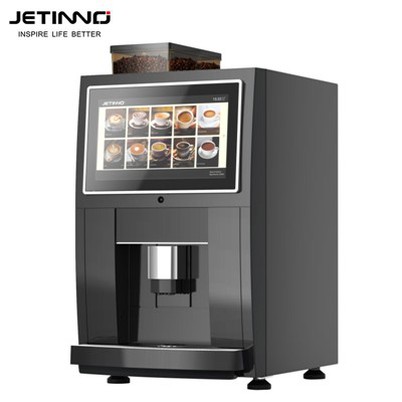

How do I handle the waste from a commercial espresso machine?
Leave a message

If you run a business that relies on commercial espresso machines-cafés, restaurants, office break rooms, or specialty retail spots-you know how crucial these machines are to keeping operations smooth. But one question that often gets overlooked, especially for operators just starting out, is: How do I handle the waste from a commercial espresso machine? As a commercial espresso machine supplier with years of working with businesses large and small, I've seen firsthand how mismanaging this waste can lead to clogged drains, unexpected maintenance costs, and even compliance issues in some areas. The good news is that handling espresso machine waste doesn't have to be complicated-you just need a system that's aligned with your machine type, your space, and local waste regulations. Let me break down what I've learned over the years, and how the right equipment can make this process far easier.
First, let's clarify what kind of waste a commercial espresso machine produces. It's not just the leftover coffee grounds you see in a home machine-commercial units generate several types of waste that require different handling. The most common are spent coffee grounds, liquid wastewater (from rinsing, steaming, and cleaning cycles). Each of these has unique rules, especially when it comes to disposal, so skipping steps or using a one-size-fits-all approach is a recipe for headaches.
Let's start with spent coffee grounds, which make up the bulk of the solid waste from any espresso machine. Many new operators toss these straight into the trash, but that's not always the best move. For one, coffee grounds are organic-they break down in compost, but if you're throwing them in a general landfill, they can create methane gas as they decompose, which is bad for the environment. Second, they're oily and can clump together, leading to clogs if they get washed down drains. I've had clients come to me with burst drain lines because they thought flushing grounds down the sink was a shortcut-needless to say, that's a mistake no business wants to deal with.
The first rule for spent grounds: never pour them down a drain unless your machine is designed to have a dedicated, grounds-only drain line. Most commercial espresso machines that are built for high-volume use-like Automatic Espresso Coffee Fresh Brew Tea Machine -- JL26-ESFB4C-come with a separate grounds container and a wastewater reservoir, which means you don't have to touch a drain for solids. These containers are easy to empty, and they're sized to hold enough grounds for a full day or two, depending on your volume. For smaller operations, like a small office with a
Commercial Fresh Milk Coffee Machine, the heightened coffee grounds bin is compact for collecting grounds. Simply empty it into a compost bin or green waste cart without a mess.
If you're in an area that offers composting, turning your grounds into nutrient-rich compost is a win-win. Many local waste management companies accept coffee grounds as part of their curbside compost programs, and some will even pick them up if you store them in a compatible bin. For businesses that don't have curbside compost, you can partner with a local garden center or urban farm-they almost always take spent grounds, since they're great for amending soil, adding organic matter, and even deterring some pests. I've worked with dozens of clients who now donate their grounds to community gardens, which not only reduces waste but also becomes a small marketing point for their business-customers love knowing they're supporting sustainable practices.
Next, liquid wastewater from the espresso machine. This includes water from rinsing the group head, steaming milk, backflushing the machine, and any overflow from the reservoirs. Unlike solid grounds, liquid wastewater is safe to pour down a drain-but there's a catch. If you used cleaning chemicals to backflush or deep-clean your machine, those chemicals need to be disposed of properly, not just washed down the drain. Many operators skip the deep-clean step to save time, but that leads to stale coffee and machine breakdowns-and when you do clean, you can't just pour the chemical solution down the sink.
The key here is to use machine-specific cleaning products and follow your supplier's instructions. For example, if you own an Office automatic Coffee machine 14inch, it will have a dedicated cleaning cycle that separates chemical waste from regular wastewater. Most modern commercial machines are designed to collect used cleaning solution in a separate reservoir, so you can dump that into a bucket and dispose of it according to local hazardous waste rules. In most areas, espresso machine cleaning chemicals are considered non-hazardous in small quantities, so you can usually pour them into your regular sanitary sewer line, but it's always best to check with your local waste department to be sure. Avoid using harsh, abrasive cleaners-they can damage your machine and also require more careful disposal, which is why I always recommend products that are specifically formulated for espresso equipment.
Another common type of waste is small parts from the machine: portafilters, baskets, steam wands, and cleaning pads. These are easy to overlook, but if you're not storing them properly, they can become lost or contaminated. The best approach here is to have a designated storage area for these parts near the machine. For example, a small tray or drawer next to your espresso station where you can put used portafilters after cleaning, and a separate container for replacement baskets. Many of my clients who run high-volume cafes use wall-mounted racks to hang portafilters, which keeps them off the counter and makes it easy to grab them during busy shifts. For office settings, like a Coffee Tea Machine Office 10inch small machine, the smaller size means all parts fit neatly into the machine's built-in storage compartment, so there's no risk of losing small items.
Now, let's talk about compliance, which is a big one for commercial businesses. Many cities and counties have specific regulations about food waste disposal, and coffee grounds are often classified as food waste. That means you can't mix them with regular trash in some areas-you have to put them in a compost or green waste bin. The fines for improper disposal can add up quickly, so it's worth knowing your local rules. For example, in some parts of California, businesses are required to compost food scraps, including coffee grounds, and the Department of Resources Recycling and Recovery (CalRecycle) has strict enforcement. If you're in the UK, the Environmental Protection Act 1990 covers food waste, and businesses can face penalties if they don't comply. A lot of my clients come to me because they've received a warning for mismanaging espresso waste, and switching to a machine with dedicated waste containers (like the JL26-ESFB4C) has helped them stay in compliance without extra work.
I also see a lot of businesses struggle with the cost of waste disposal. If you're throwing coffee grounds in the trash, you're paying for them to go to a landfill, which is more expensive than composting in many areas. Composting and green waste pickup are often cheaper, or even free, in some communities. Some waste companies also offer discounted rates for businesses that reduce their landfill waste, so you can save money while being sustainable. I've had clients who switched from tossing grounds in the trash to composting, and their monthly waste bills dropped by 15-20%-that's a big savings for any business, especially small cafes or startups.
One tip I always share with new operators: invest in a small compost bin specifically for your espresso grounds. It doesn't have to be big-even a 5-gallon bin with a lid works, and you can empty it every day or every other day, depending on your volume. Avoid using plastic bags for grounds-they trap moisture and can lead to mold, which is a mess. Instead, use paper bags or compostable bags, which are designed to break down in compost. For high-volume operations, I recommend a larger outdoor compost bin, which can hold grounds for a week or more before you need to empty it.
Now, let's tie this back to the machines we supply. The right commercial espresso machine can make waste handling almost effortless. For small to medium offices or cafes, the 10inch coffee maker commercial automatic digital is compact enough to fit in tight spaces, and its built-in grounds container and separate wastewater reservoir mean you don't have to adjust your plumbing. For larger operations, the
Automatic Espresso Coffee Fresh Brew Tea Machine -- JL26-ESFB4C is designed for high volume, with a larger grounds bin that can handle hundreds of shots a day, so you're not emptying it multiple times a shift. For businesses that want to offer more than just espresso, the
coffee cappuccino chocolate making machine includes additional waste compartments for milk residues, which makes cleaning up after lattes and cappuccinos much easier.
Wait, I should also mention steam wand cleaning, which is a part of espresso waste that's easy to skip. When you steam milk, the steam wand gets covered in milk residue, which needs to be wiped down and steamed out after each use. That small amount of milk residue is organic and can be washed down the drain, but if you let it build up, it can clog the wand and lead to off-flavors in your coffee. I recommend using a clean cloth to wipe the wand, then steaming it into a small bucket (or the sink) to remove any remaining milk-this keeps the wand clean and reduces the amount of waste that gets trapped in the machine. It's a quick step, but it saves you from having to deep-clean the wand every week, which is a lot more work.
Another common mistake: mixing espresso waste with other types of waste. For example, tossing plastic stirrers, paper cups, and coffee grounds into the same trash bin. This not only makes composting impossible, but it also increases the amount of landfill waste. The best system is to have separate bins for compost (grounds), recycling (cups, stirrers), and trash (non-recyclable items). It takes a little extra effort from your staff, but it's worth it for lower waste bills and compliance. Many of the machines we supply, like the Office automatic Coffee machine 14inch, are designed with bin placement in mind, so you can set up your waste stations right next to the machine without cluttering your space.
Let's wrap this up with a quick checklist to make sure you're handling your espresso waste correctly:
- Separate spent coffee grounds from other waste-compost them, donate them, or empty them into a dedicated bin.
- Never pour grounds down a drain unless your machine has a dedicated grounds drain line.
- Dispose of cleaning chemical solutions separately, following local regulations.
- Store small parts (portafilters, baskets) in a designated, easy-to-reach area.
- Check your local waste regulations to avoid fines for improper disposal.
- Consider composting as a way to reduce costs and support sustainability.
At the end of the day, handling commercial espresso machine waste is about being organized and using the right equipment. The machines we offer are built to make this process as seamless as possible, with dedicated waste compartments, easy-to-empty reservoirs, and intuitive cleaning cycles that reduce the time you spend on waste management. If you're in the market for a commercial espresso machine and want to learn more about how it can fit with your waste handling needs, don't hesitate to get in touch. We're here to help you find the right solution for your business, whether you're a small office, a boutique cafe, or a high-volume restaurant.
If you have questions about specific models, waste compatibility, or maintenance best practices, our team is ready to assist. Whether you're upgrading your current machine or setting up a new espresso station, we can provide the guidance and equipment to make your operation run smoothly. Reach out to our team to discuss your needs, and let's find the perfect solution for your business.
References
- U.S. Environmental Protection Agency. (2023). Food Waste Composting Guidelines for Commercial Businesses. Retrieved from epa.gov
- Specialty Coffee Association. (2022). Commercial Espresso Machine Maintenance & Waste Management. Retrieved from sca.coffee
- CalRecycle. (2023). Commercial Food Waste Regulations for Coffee Shops. Retrieved from calrecycle.ca.gov
- UK Environmental Agency. (2022). Food Waste Disposal Rules for Commercial Food Businesses. Retrieved from gov.uk/government/organisations/environment-agency