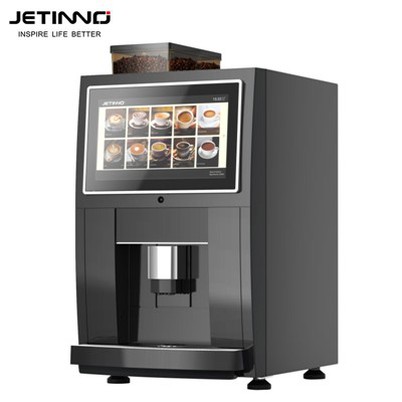

What kind of maintenance is required for a hot and cold coffee vending machine?
Leave a message

If you're a coffee vending machine owner or just got your first one (shoutout to all the busy office managers, gym owners, and small café operators out there!), you know how game-changing a reliable hot and cold coffee vending machine is. But here's the thing: even the fanciest machines-like the ones my team sells-won't keep cranking out great lattes, iced Americanos, or black coffees without regular care. I've been working in vending machine supply for over 7 years, and I've seen way too many machines break down because of skipped maintenance. Today, I'm breaking down exactly what you need to do to keep your hot and cold machine running smooth, no fancy tech degree required.
First, let's get clear: hot and cold vending machines work a little differently than your basic drip coffee maker. They handle both hot water for espresso shots and steam, plus cold water for iced drinks, iced tea, even cold brew. That means two separate water lines, different brewing chambers, and parts that deal with heat and moisture 24/7. Skip a step, and you'll end up with clogs, bad-tasting coffee, or-worse-the machine shutting down mid-day when everyone's grabbing their morning pick-me-up.

Daily Check-Ins: The Small Stuff That Stops Big Problems
I know, you're busy. You probably check the machine's cash box or sensor tray every day anyway, right? Add a few 2-minute checks to that routine, and you'll save yourself hours of headaches later. Here's what to do daily:
- Wipe down the dispensing area: This might seem trivial, but if leftover coffee grounds, milk foam, or iced coffee syrup builds up on the spout, it'll get sticky, attract bugs, and even mold. I've had a client tell me his machine stopped dispensing iced lattes because a thick layer of syrup had gummed up the nozzle. All he needed was a quick wipe with a mild, food-safe cleaner (no harsh chemicals-this stuff touches food!) and a toothpick to clear the tiny hole. Pro tip: Keep a pack of disposable sanitizing wipes right next to the machine so your staff or restock team can grab one quick.
- Empty and rinse the drip tray: That tray under the spout catches spills, condensation, and extra grounds. If you leave it full for days, it'll get moldy and start smelling sour. I make sure anyone who restocks our machines knows to dump it, rinse it with warm water, and let it dry for a minute before popping it back in.
- Check the cold water reservoir (if it's not plumbed in): If your machine uses a tank instead of a direct water line, top it off daily with filtered water. Tap water has minerals that can build up inside the lines over time-we'll talk about deep cleaning later, but fresh filtered water daily cuts that down a lot. Also, if you see any discolored water in the tank, dump it and scrub the tank gently with a sponge every day until it clears up.
Weekly Deep Cleaning: Don't Skip This Part
Once a week, block off 15 minutes to do a more thorough clean. This is where you target the parts that get hidden buildup, especially the brewing system for hot drinks and the cold lines for iced stuff. Here's what to focus on:
Clean the brewing group (hot side): This is the part that grinds beans (if you're using a bean-to-cup model, like our JL320B Espresso Bean to Cup Coffee Vending Machine or
Free standing bean to cup coffee machine JL300) or mixes pre-ground coffee with hot water for drip drinks. For both, you'll need a special descaler (not vinegar, unless it's food-grade-wait, no, actually, a mild coffee-specific descaler works best; vinegar can leave a weird taste). Run a cleaning cycle: most machines have a dedicated button, but if yours doesn't, mix a tablespoon of descaler with a liter of warm water, pour it into the water tank, and run 3-4 empty brewing cycles, then rinse the tank and run 2 more with just plain water. This gets rid of coffee oils that make your latte taste bitter.
- Flush the cold lines: Iced coffee and cold brew are huge sellers, but their lines are prone to syrup buildup and mold. If you use pre-mixed cold drinks, drain the cold syrup tank, rinse it with warm water, and refill with fresh syrup. For lines, run a cold water cycle with a tiny bit of dish soap (mild, again-no fragrances!) to cut through syrup residue, then flush with plain water until the water runs clear. If you're using a machine that brews cold drinks from beans or grounds, like our Fully automatic coffee vending machine with tea JL852, the cold brew chamber needs the same weekly clean as the hot brewing group.
- Check the milk system (if it's a specialty model): A lot of hot and cold machines have steam wands for milk foam (perfect for lattes and iced cappuccinos). Those wands get covered in milk residue super fast. After each use, wipe the wand with a wet cloth, and once a week, submerge the wand in hot water and run the steam for 10 seconds to clear the inside. If you leave milk residue in there, it'll spoil and make your foam taste like rotten milk-yuck.
Monthly Maintenance: Keeping Parts from Wearing Out
Once a month, you need to go beyond cleaning and check parts that wear out over time. This is the stuff that prevents big breakdowns and keeps your machine running consistently.
- Descale the entire machine: Descale isn't just for the brewing group-your water lines, heaters, and even cold reservoirs have mineral buildup from hard water. I can't stress this enough: if you skip monthly descaling, your machine's heater could burn out, or your lines could get so clogged that water can't flow. Use a descaler rated for commercial vending machines, and follow the instructions exactly-too much descaler can damage parts. If you're not sure how to do this, most suppliers (including us) will walk you through it over the phone.
- Inspect and replace filters: If your machine has a water filter (most do, to reduce mineral buildup), check it monthly. If it's looks dirty or the machine's water pressure feels low, replace it. A clogged filter makes your coffee taste weird and strains the machine's pump. For models that use bean grinders (like our Easy Tea Coffee Beverage Vending Machine--JL500-ESFB8C-P), check the grinder burrs monthly. If the grind size is uneven (you'll notice that in your coffee-some parts taste strong, some weak), the burrs are dull and need to be replaced.
- Test both hot and cold functions: A month ago, I had a client whose machine was making hot coffee fine, but the cold line had stopped working because he didn't check it. Once a month, run a cold drink cycle and a hot drink cycle, and check that the water is the right temperature. If hot water is too cold or cold water is too warm, that's a sign the heater or chiller is acting up-catch it early, and you won't have to replace the whole unit.
Yearly Deep Servicing: The Pro Touch
Even if you do all the weekly and monthly stuff, your machine needs a professional check-up once a year. This is where we come in as suppliers. Our techs will take apart the brewing and cold systems, clean hidden parts, check wiring, test the chiller (super important for cold drinks-if that fails, all your iced sales are down), and replace any worn parts like gaskets or seals. Seals get hard and cracked over time, which can cause leaks or moisture buildup inside the machine, leading to mold. A yearly service also catches small issues before they turn into costly repairs.
I've seen machines that ran for 10+ years with regular maintenance, and others that died in 2 because someone skipped cleaning. The best part? None of this is hard or expensive. A $10 descaler, a $5 filter, and 15 minutes a week is all it takes.
At the end of the day, your hot and cold coffee vending machine is a business tool-you want it to make great drinks, not cost you money in repairs. If you're in the market for a new machine or need help with maintaining your current one, feel free to reach out. Our team can give you more tips tailored to your model, or even handle professional servicing. Just get in touch to discuss your needs today.
References
- National Automatic Merchandising Association. (2022). "Vending Machine Maintenance Best Practices." NAMA Industry Guidelines.
- Coffee Technology Association. (2021). "Commercial Coffee Vending Machine Care and Cleaning Manual."
- U.S. Food and Drug Administration. (2020). "Food Service Equipment Cleaning and Sanitizing for Food Businesses."