
What is the warranty period for a commercial espresso machine?
Leave a message

If you've ever managed a café, a restaurant, or a small office breakroom, you know a commercial espresso machine isn't just a luxury-it's the backbone of your daily operations. A breakdown can mean lost sales, frustrated customers, and even overtime for your staff scrambling to fix a $10,000 piece of equipment at 7 a.m. One of the most common questions I get as a commercial espresso machine supplier isn't just about performance or price-it's about warranty: what does it actually cover, and how long can you expect that protection to last? The answer isn't one-size-fits-all, but breaking down the variables will help you make a smarter investment that avoids costly surprises down the line.
First, let's get one key distinction out of the way: commercial espresso machines are not the same as the countertop models you buy for home use. The latter is designed for 10–20 drinks a day, while a commercial unit is built for 100+ (sometimes 500 or more) during peak hours. That heavy-duty use directly impacts warranty terms, because manufacturers account for how often a machine runs when setting up coverage. For context, many standard commercial espresso machines from reputable suppliers come with a base one-year parts-and-labor warranty. But that's just the starting point-there are plenty of factors that can extend that, or even void it, if you're not careful.
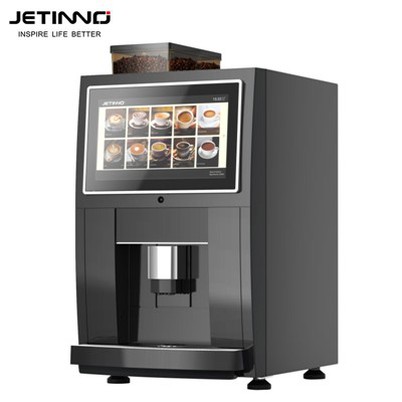
One of the biggest variables is the type of machine you choose. Not all commercial espresso machines are created equal, and that plays a huge role in warranty length. For example, fully automatic models, which handle everything from grinding beans to pulling shots and steaming milk with minimal staff input, often have different coverage than semi-automatic or manual units. At our company, we specialize in a range of commercial coffee equipment, and I've seen that investing in a higher-quality machine can translate to a longer warranty. Take our Tabletop Automatic Coffee Machine Espresso 14inch, for instance. This is a go-to for small cafes and boutique offices because it balances compact size with high volume, and it comes with a two-year parts warranty as a standard perk-twice the base coverage for many entry-level commercial machines. Why? The build quality includes commercial-grade components that are tested to withstand 12+ hours of daily use, so manufacturers feel confident offering longer protection.
Another type of machine we carry that's popular for multi-use spaces like co-working offices or hotel lobbies is our Tabletop Coffee Tea Automatic Coffee Machine touch screen 14inch. This model brews espresso, drip coffee, and even tea, so it's a versatile pick for teams that want more than just lattes and cappuccinos. The warranty here is also two years for parts, and one year for labor, which is a step up from basic models. The logic is similar: a machine that handles multiple beverage types has more moving parts, so the manufacturer stands behind it with a warranty that reflects the engineering that goes into its multi-function design.
Machine size and intended volume also factor in. If you run a high-traffic café with 500+ daily customers, you'll likely need a professional-grade, heavy-duty espresso machine with a longer warranty-some models for full-service cafes come with three-year parts coverage and two years of labor, compared to the one-year base for light-use commercial units. Conversely, a small office that only needs coffee for 20–30 employees a day might opt for a more compact, entry-level commercial machine with a one-year full warranty, which is sufficient for their needs and keeps upfront costs lower.
It's not just the machine itself, though-how you use it and maintain it will make or break your warranty. The biggest mistake I see new business owners make is skipping regular maintenance, which is required to keep a warranty valid. For commercial equipment, maintenance isn't optional; it's part of the warranty terms. Most manufacturers require that you have a licensed coffee technician perform monthly deep cleans, flush the group heads, and descale the machine every 3–6 months (depending on water hardness). Some suppliers, like us, offer optional maintenance packages that include these services at a discounted rate, which not only keeps your warranty intact but also extends the life of your machine. For example, if you neglect descaling, mineral buildup can damage the pump or boiler, and that damage won't be covered under warranty because it's preventable.
Water quality is another underrated factor that impacts warranty. Hard water (high in calcium and magnesium) is the enemy of espresso machines-it causes limescale that clogs pipes and damages heating elements. If your space has hard water and you don't install a water filtration system, any damage from limescale will likely void your warranty. At our company, we always recommend pairing commercial espresso machines with a filtration system, and even include a discount on filters when you buy a machine from us. This small step isn't just for better-tasting coffee-it's a way to protect your warranty investment and avoid expensive repairs.
Now, let's talk about exceptions to the warranty. Most commercial espresso machine warranties don't cover intentional damage, misuse, or unapproved modifications. If your staff overpressure the machine, use the wrong type of beans (like oily specialty beans that clog the grinder), or try to repair it themselves instead of a licensed technician, the warranty will be void. We always train our clients on proper operation during the installation, but I still see cases where a barista tries to adjust the pressure on their machine without knowing what they're doing, leading to a part breaking-and then being surprised when their warranty doesn't cover it.
What about extended warranties? Many suppliers, including ours, offer extended warranty plans for an additional cost. These can add 1–3 years to parts and labor coverage, which is a smart investment for businesses that rely on their espresso machine for high revenue. For example, a café that makes $500 a day from coffee sales can't afford to have their machine out of service for a week waiting for a replacement part. An extended warranty means that any repairs (after the base warranty ends) are covered, reducing downtime and unexpected costs. We've had clients who purchased our Office automatic Coffee machine 14inch for their small team, then added an extended two-year warranty, and have had zero issues in the three years they've had the machine. The peace of mind is worth the small extra cost, in our experience.
It's also important to note that different parts of the machine have different warranty terms. The boiler, which is the most expensive component, often has a longer warranty than smaller parts like gaskets or filters. For example, many commercial espresso machines have a three-year warranty on the boiler, while smaller parts are covered for one year. That's why it's important to read the fine print of your warranty before you purchase-don't assume that every part is covered for the same length of time.

Let's circle back to why this matters for your business. A commercial espresso machine is a significant investment-prices range from $2,000 for a small office unit to $20,000+ for a full-service café machine. The warranty is a reflection of the manufacturer's confidence in their product, and it's your safety net if something goes wrong. If you buy a machine with a one-year warranty and the boiler breaks 14 months in, you're looking at a $1,500–$3,000 repair bill. But if you invest in a machine with a three-year boiler warranty, that cost is covered.
Not all coffee equipment we offer is espresso-specific, either. For businesses that want a single machine that makes drip coffee, chocolate drinks, and espresso, our Automatic Drip coffee machine Chocolate JL26 is a popular option. It has a two-year parts warranty, and since it's designed for lower-volume multi-beverage use, it's a cost-effective pick for small spaces. Similarly, our
Coffee Fresh Coffee Machine Fully Automatic --JL26-ESFB4C is a bean-to-cup model with a three-year full warranty, ideal for cafes that prioritize fresh, custom brews.
At the end of the day, the right warranty for your commercial espresso machine depends on your business's needs. A small office with 20 employees can get by with a one-year full warranty, while a high-volume café will benefit from a longer, tiered warranty with coverage for critical components. The key is to work with a reputable supplier that not only sells quality machines but also stands behind their warranty, offers clear terms, and provides support for maintenance and repairs.
If you're in the market for a commercial espresso machine and want to learn more about warranty options, or if you have questions about which machine fits your space and budget, we're here to help. Whether you're a new café owner setting up your shop, a facility manager updating your office breakroom, or a restaurant looking to upgrade your beverage service, we can guide you through every step-from machine selection to warranty terms to post-installation support. Don't let an unclear warranty lead to unnecessary downtime or costs; reach out to discuss your specific needs and find the right commercial coffee equipment for your business.
References
- Specialty Coffee Association of America. (2022). Commercial Espresso Machine Maintenance Best Practices. Retrieved from industry technical guidelines for coffee service equipment.
- National Restaurant Association. (2023). Foodservice Equipment Warranty Standards for Commercial Kitchens.
- Jetinno Coffee Equipment Engineering Team. (2024). Component Testing and Warranty Framework for Commercial Bean-to-Cup Machines.