
Do commercial espresso machines come with milk frothers?
Leave a message

If you've ever stood in a bustling café, sipped a perfectly frothed cappuccino, and wondered how baristas pull off that silky milk texture consistently all day, you're not alone. As a commercial espresso machine supplier who's worked with thousands of café owners, office managers, and small business operators over the past decade, one question pops up more than any other: Do commercial espresso machines come with milk frothers? The short answer is, it depends-but let's break down why that matters, what buyers actually need, and how to avoid the costly mistake of assuming all machines are created equal.
First, let's get one thing straight: milk frothing isn't a random barista trick. It's a core part of serving espresso-based drinks that customers expect-from lattes and macchiatos to flat whites and cortados. For commercial settings, this isn't just a nice touch; it's a revenue driver. A well-frothed milk drink can make up 60% to 70% of a café's total beverage sales, according to data from the Specialty Coffee Association (SCA). That's why pairing an espresso machine with the right milk frothing setup is non-negotiable for businesses that want to keep up with demand.
So, back to the original question. When I first started in this industry, I'd hear from new café owners who thought they could buy a standalone espresso machine, add a separate manual steam wand, and call it a day. More often than not, that setup led to longer wait times, inconsistent frothing, and even employee burnout from having to perfect a skill that requires practice and precision. The truth is, commercial espresso machines come in two main categories: manual and automatic, and their frothing capabilities fall along that same line.
Manual commercial espresso machines-still the workhorses of many high-volume, third-wave cafés-almost always include a steam wand, which is the component that froths milk. These wands look like thin metal tubes and require baristas to actively control the steam, air, and milk temperature to create microfoam. The downside? They're not set-it-and-forget-it. A barista needs to adjust the wand's depth, steam pressure, and milk temperature on the fly, which can slow down service during peak hours. For small cafés with 100+ drinks to serve an hour, this isn't ideal. That's where automatic machines come in.
Automatic commercial espresso machines, which are designed to handle high volumes with minimal manual input, often come with integrated milk frothing systems. These systems can vary from basic steam wands with automated pressure control to fully automated milk carafes that steam, froth, and even self-clean. But here's the catch: not all automatic machines include frothing, and some that do have frothers that are only compatible with certain milk types (like whole milk) or volume sizes.
Let's talk about the different types of commercial setups our customers request, because that's where you'll see the frother difference most clearly. For example, small to mid-sized offices or micro-cafés often need a compact machine that's easy to use and maintain. We've seen great success with the Fresh Milk Coffee Machine, which we've supplied to dozens of tech startups and co-working spaces. This machine comes with an integrated milk frother that's calibrated for consistency, so office staff with no barista training can make lattes or cappuccinos without fumbling with steam wands. The unit also has a self-cleaning function for the frother, which cuts down on maintenance time-a big win for office managers who don't want to schedule weekly deep cleans for their coffee equipment.
For cafes that want a step up from automatic but still don't want the full complexity of a manual machine, we recommend looking at semi-automatic commercial espresso machines. These typically include a steam wand (manual or semi-automatic) and offer more control over espresso extraction. The key here is to ask: is the steam wand powerful enough? A weak steam wand can lead to bubbly, inconsistent froth that ruins drinks, while a high-pressure wand can overheat milk and create a burnt taste. We always advise customers to test a machine's steam performance before buying, because pressure levels can vary between models.
Now, let's address a common misconception: some business owners think they can buy an espresso machine without a frother and add a separate milk frother as an afterthought. While this is technically possible, it's rarely cost-effective or efficient. Separate milk frothers take up extra counter space, add to the overall cost of the setup, and require separate cleaning and maintenance. For commercial settings where every inch of space counts, integrating the frother into the machine is a much smarter choice. We've had customers who tried this route with a standalone espresso machine and a separate frother in their first month of operation-within six months, they upgraded to an integrated model because the extra space and labor costs were eating into their profits.
Another factor to consider is the volume of drinks you'll be serving. If you're a busy café that pulls 500+ shots of espresso a day, you'll need a machine with a durable, high-capacity frother. Low-volume machines (like those designed for home use) will struggle to keep up, leading to longer wait times and frustrated customers. The good news is that modern commercial machines have come a long way in handling high volumes. For example, JL38A Hot and Cold Commercial Coffee Machine, which we've supplied to several fast-casual café chains, has a hot/cold Milk and hot/cold milk foam system that can froth two different types of milk . This means a barista can make a latte and a hot chocolate (using frothed milk)
If you're in the market for a truly versatile setup that can handle not just espresso drinks but tea and other hot beverages, you'll want to look at models with integrated frothing that works with multiple liquid bases. The Tabletop Coffee Tea Automatic Coffee Machine touch screen 14inch is a great example of this. Our customers use it to make everything from espresso-based drinks to matcha lattes and hot milk-based teas, all with a single, easy-to-use frothing system. The touch screen interface also lets you save custom frothing settings for different drinks, so every time you make a latte, it has the same silky texture-no matter who's operating the machine.
Now, let's talk about what to look for when evaluating a commercial espresso machine's frother. First, steam pressure: aim for at least 1.5 bar of pressure for consistent frothing. Anything lower will result in weak steam that can't create the right microfoam. Second, froth control: automatic machines should have adjustable steam levels, so you can choose between light froth for lattes and dense froth for cappuccinos. Manual wands should have a comfortable grip and a flexible tip, making it easy to control the air intake as you froth. Third, self-cleaning functionality: this is non-negotiable for commercial settings, because milk residue can build up quickly and lead to bacteria growth or off-flavors. A machine with a self-cleaning frother will save you hours of manual cleaning every week.
We also get a lot of questions about vegan or alternative milk frothing. More and more customers are serving oat, almond, or soy milk, which behave differently when frothed. Some frothers are calibrated for whole milk and struggle with alternative milks, leading to watery or broken froth. When we recommend machines to customers who serve alternative milks, we always point them towards models with frothers that have adjustable air intake-like Best Coffee Machine Espresso Coffee Machine JL31, which is designed to work with both dairy and non-dairy milks. Our customers say this machine consistently froths oat milk into a silky, latte-ready texture, which is a huge plus for attracting eco-conscious customers who prefer plant-based drinks.
Let's touch on a common mistake we see new café owners make: buying a commercial espresso machine based on price alone. A $3,000 machine without an integrated frother might seem like a good deal, but add in the cost of a separate frother (another $500 to $1,000) and the extra labor costs from manual frothing, and you could end up spending more in the long run. On the other hand, a $6,000 machine with a high-quality integrated frother might seem steep, but the consistency, durability, and labor savings will pay for itself in 12 to 18 months. It's important to look at the total cost of ownership, not just the upfront price.
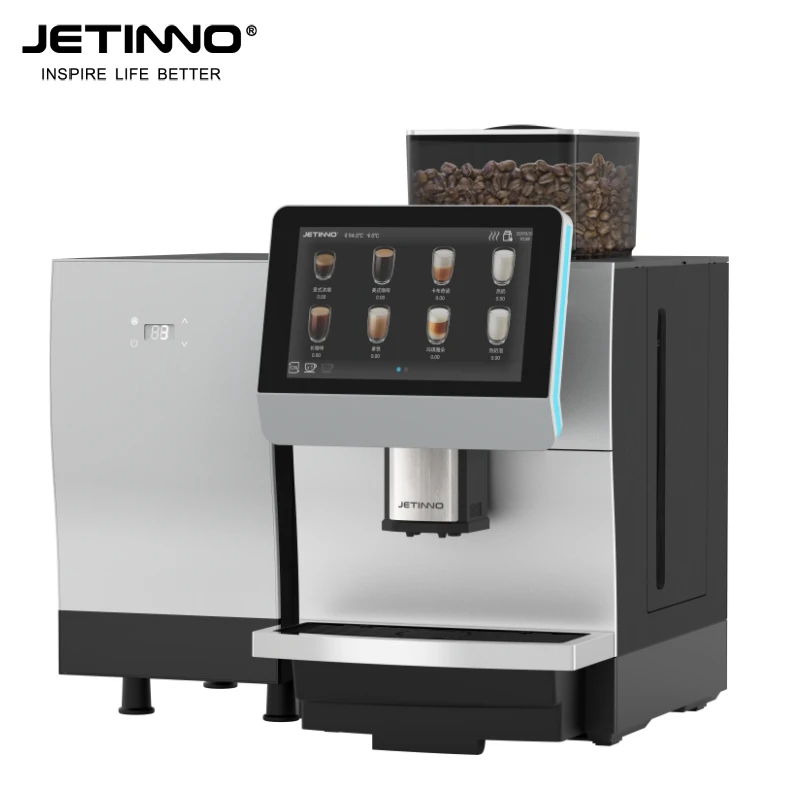
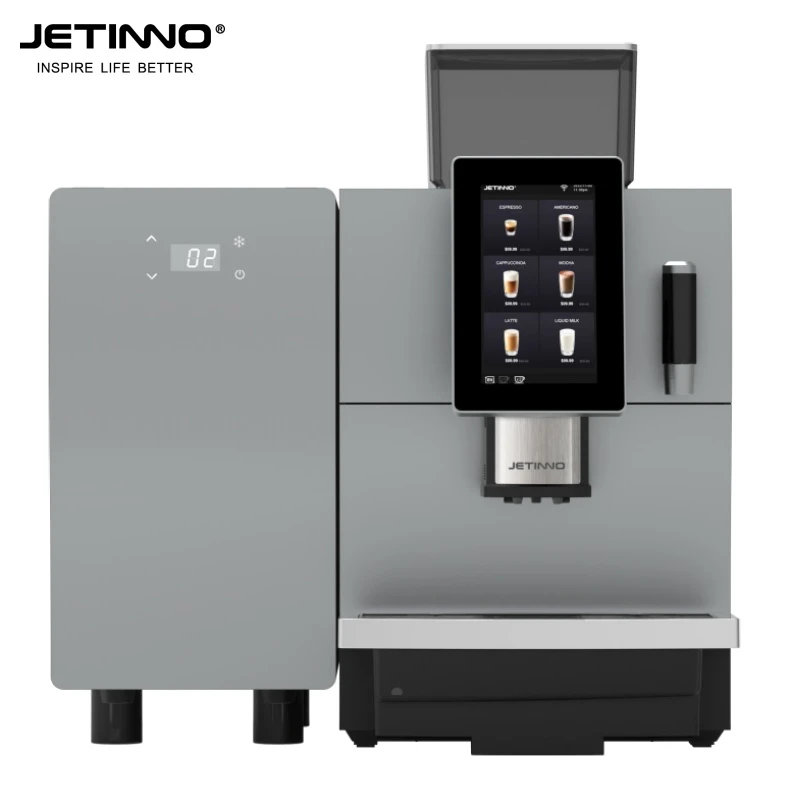
For businesses that are tight on counter space-like kiosks, small coffee carts, or compact office pantries-the countertop coffee vending machine touch vending machine 14inch vertical is a game-changer. This model integrates the milk frother into the vertical design, so it takes up minimal space on the counter or even fits under a counter if needed. It's also fully automatic, so it requires almost no training to operate, making it perfect for settings where you don't have a dedicated barista.
Now, let's address one last point: do you really need an integrated frother? If you're a small business that only serves a handful of espresso drinks a day, or if you're primarily focused on black coffee (like espresso, Americano, or cold brew), you might be able to get away with a machine without a frother and add a separate one later. But for most commercial settings-cafés, coffee shops, offices, or retail spaces that want to serve popular lattes and cappuccinos-an integrated frother is a must-have. It saves space, reduces labor, ensures consistency, and helps you meet customer demand for the drinks they actually want to buy.
At the end of the day, choosing the right commercial espresso machine with a milk frother comes down to your specific needs: how many drinks you serve, what kind of setting you're operating in, what type of milk you'll use, and how much training your staff has. There's no one-size-fits-all answer, but there is a setup that's perfect for every business. We've worked with thousands of clients to find that setup, and the feedback we get time and time again is that investing in a machine with a high-quality frother is one of the best decisions a coffee business owner can make.
If you're ready to explore your options and find a commercial espresso machine that fits your needs, our team is here to help. We can walk you through the different models, test frothing performance, and answer any questions you have about installation, maintenance, and ongoing support. Whether you're a new café owner just starting out, an office manager looking to upgrade your breakroom, or a retail operator wanting to add a coffee bar, we can connect you with the right equipment and solutions to keep your customers happy and your business running smoothly. Don't let the confusion around commercial espresso machines and frothers hold you back-reach out to our team today to start your procurement process.
References:
- Specialty Coffee Association. (2022). Coffee Beverage Sales Trends: Global Data and Industry Insights.
- Jetinno Commercial Coffee Equipment. (2023). Product Specification and User Guide for Commercial Espresso Machines with Integrated Frothers.
- National Coffee Association. (2023). U.S. Coffee Drinking Trends: Consumer Preferences and Market Demand.
- International Coffee Organization. (2022). Commercial Coffee Equipment: Best Practices for Performance and Maintenance.


