
How to make a smooth cup of coffee in a coffeemaker?
Leave a message

Hey everyone, let's cut to the chase: there's nothing more frustrating than grabbing your coffeemaker first thing in the morning, only to end up with a watery, bitter cup that tastes like it's been sitting on a counter for hours. As someone who's spent years working with coffeemakers (yep, I'm from a supplier that deals with all kinds of machines, from office setups to self-service spots), I've learned that making a smooth cup isn't just about luck-it's about small, science-backed moves that work every single time. Whether you're using a basic drip machine for your kitchen or one of the fancier models we sell for busy spaces, these tips will make your daily brew way better.
First off, let's talk coffee grounds. This is the #1 mistake I see people make: using pre-ground coffee that's been sitting in a bag for weeks. Fresh grounds are non-negotiable because coffee loses its volatile oils (the stuff that gives it flavor) within 2-3 weeks of being roasted. If you're using whole beans, grind them right before you brew-simple as that. Now, the grind size matters a lot too. For most standard drip coffeemakers, you want a medium grind, like the texture of sand. If your grounds are too fine, they'll over-extract and taste bitter; too coarse, and you'll get weak, watery coffee. Pro tip: if your coffeemaker has a built-in grinder, don't load it up and forget about it-grind just enough for one pot (or one cup, if that's all you're making) to keep things fresh.
Next up, water temperature. Most people don't realize this, but water that's too hot burns coffee, and too cold doesn't extract enough flavor. The sweet spot is between 195°F and 205°F (that's just below boiling). A lot of basic drip machines don't have thermometers built in, so if yours doesn't, a quick hack: boil water in a kettle, let it sit for 30 seconds before pouring it into the coffeemaker's reservoir. That gets you right in that ideal range. If you're using a commercial machine, like one of our Office instant coffee machine models, they're calibrated to hit that temp every time-one less thing you have to stress about during a crazy workday.
Don't sleep on the coffee-to-water ratio either. This is easy to get wrong, especially if you're eyeballing it. The standard is about 2 tablespoons of grounds for every 6 ounces of water. If you like your coffee strong, add an extra tablespoon, and if you prefer it milder, cut back. For reference, a standard 12-cup coffeemaker uses 24 tablespoons (or 1.5 cups) of grounds for 12 cups of water. We've seen this ratio work for everything from small countertop models to larger units, and it's consistent because it's based on how coffee's compounds dissolve in water. Too little grounds, and you're just drinking hot brown water; too much, and it's overwhelming-find that middle ground.
Now, let's talk about the actual brewing process, because how the water flows through the grounds makes a huge difference. When you start the coffeemaker, don't walk away and let it run full blast. Wait 30 seconds after the first drips hit the filter basket-this is called the "bloom" stage. Coffee beans release carbon dioxide, and letting that gas escape before full brewing helps the water penetrate the grounds evenly, so you get a more balanced flavor. If you rush bloom, you'll end up with some grounds that are over-extracted and some that are under, which creates that weird, off-tasting cup no one wants. For machines like our Touch Screen Instant Coffee Machine, you can even set bloom time digitally, so it's automatic-perfect if you're juggling emails while your brew runs.
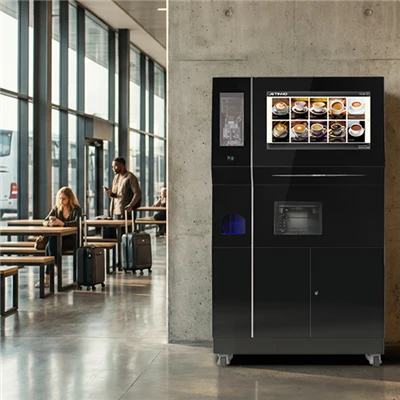
Cleanliness is another big one that people overlook. A dirty coffeemaker builds up coffee oils (called "caffoleum") and mineral deposits from water, which make every subsequent cup taste stale or weird. Aim to clean your drip machine every 1-2 weeks, or more often if you use it daily. The easiest way is to do a vinegar rinse: mix equal parts white vinegar and water, run a full brew cycle, then run two more cycles with just plain water to get rid of the vinegar taste. For our commercial models, like the Self Service Instant Coffee Machine we sell for cafes or break rooms, we actually recommend a monthly deep clean with our specific descaling solution (just ask our team for details if you need it-no shame in needing help). If you skip this, even the best beans will taste bad because of the build-up, trust me.
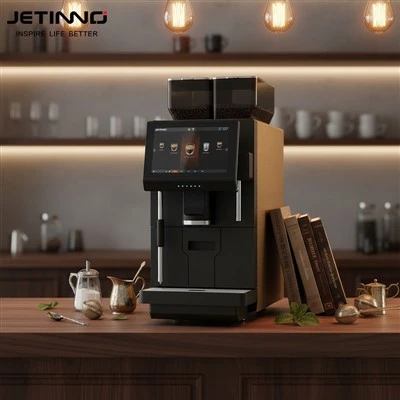
Wait, what if you're not using a drip machine? Maybe you have an espresso-based setup for lattes or cappuccinos. Our Fully Automatic Espresso Cappuccino Machine Maker --Jetinno JL24-ES4C is super popular for that, and the same core rules apply-just with a few tweaks. For espresso, you need a fine grind, and the ratio is usually 18-21 grams of grounds for a double shot, brewed in 25-30 seconds. The pressure (which that machine handles perfectly) matters too-you need 9 bar of pressure to get that crema, which is the golden layer on top that's full of flavor. The only extra tip here is to pre-heat your cup before pulling the shot, so the espresso doesn't cool down too fast-another small move that makes a big difference in smoothness.


What about busy spaces? If you're in an office with 20+ people, or a small business like a cafe or hotel, you need a machine that's consistent all day long, without a lot of work. That's where our Instant Coffee Machine Horeca Office Use 10inch comes in-10-inch touchscreen, quick brew times, and it's built to handle high volumes. The tips above still apply for the coffee powder (wait, instant coffee is different from fresh grounds, but the ratio is still roughly 1-2 teaspoons per 6 ounces of water), but the machine does all the temperature and flow work for you, so you don't have to adjust anything mid-day. Self service models are great for spots where people grab coffee on their own, since they're easy to use but still give a smooth, consistent cup every time.
Let's also bust a common myth: adding something to your coffee doesn't make it better if the base is bad. A lot of people reach for syrups or sugar to mask a bitter or watery cup, but why bother when you can get a good brew first? If you follow the grind, water temp, ratio, and cleaning tips, your coffee will taste great on its own, and you can add whatever you want-no masking needed. I've seen so many people waste good beans because they skip these basics, and that's such a bummer.
Another quick pro move: if you're making a big pot and not drinking it all right away, don't leave it on the hot plate for more than 30 minutes. Hot plates make coffee taste burnt after that, because they keep heating the already brewed coffee. If you have leftovers, transfer them to a thermos that keeps temperature consistent, or just make a smaller pot. For commercial machines, most of them have a warming function that doesn't overheat, but even then, fresh is best.
Let's sum this up so it's easy to remember: 1) Grind beans fresh, medium grind for drip, fine for espresso. 2) Water temp 195-205°F (let it sit 30 seconds after boiling if no built-in temp). 3) 2 tbsp grounds per 6 oz water. 4) Let it bloom for 30 seconds before full brew. 5) Clean your machine regularly. 6) For busy spots, check out our tailored models like the Office instant coffee machine or Self Service Instant Coffee Machine.
If you're someone who's shopping for a new coffeemaker, whether it's for your home or a workspace, don't hesitate to reach out-we can help you pick the right model based on how much coffee you need to make, how many people use it, and your budget. Even if you just have questions about maintenance or getting the best brew out of your current machine, our team is here to help. Smooth coffee doesn't have to be complicated, and we're all about making that easier for everyone.
If you're looking to upgrade your current setup for a office, horeca space, or self-service area, we have a range of options designed for consistent, great-tasting brews. Get in touch with us to discuss your specific needs and find the perfect coffee machine for you.
REFERENCES:
- Specialty Coffee Association. (2020). Brewing Water Guidelines for Coffee. Retrieved from specialtycoffee.org
- National Coffee Association. (2021). Home Brewing Best Practices. Retrieved from coffee.org
- International Coffee Organization. (2019). Espresso Extraction Standards. Retrieved from ico.org