
Can a commercial espresso coffee machine make different sizes of espresso shots?
Leave a message

Hey coffee lovers and fellow cafe owners, let's cut to the chase-if you've ever spent a morning troubleshooting your espresso machine, chasing that perfect shot only to realize it's not hitting the size you need, you know how frustrating that is. As a commercial espresso machine supplier, this is one of the most common questions I get: Can a commercial espresso machine actually make different sizes of espresso shots? The short answer is yes, but it's not as simple as just twisting a dial and calling it a day. Let me break this down like I chat with my customers over coffee (pun totally intended) so you get the real tea, no industry jargon fluff.
First, let's get on the same page about what an espresso shot is, because that's where most confusion starts. A standard single espresso is 1oz (30ml), double is 2oz (60ml), and sometimes you'll see a lungo (which is longer, like 3oz/90ml) or a short shot (ristretto, around 0.75oz/22ml). The key here is extraction-how much water flows through ground coffee at the right pressure (usually 9 bar, for the nerds out there) and temperature. Not all commercial machines are built equal, though, and that's where the magic (or the headache) happens.
Let's talk about the two main types of commercial espresso machines, because that changes everything: manual/ semi-automatic and automatic. If you've got a semi-automatic (the kind where you tamp the grounds yourself, pull the shot manually), you can adjust the size by changing two things-time and volume. Wait, but why do some people struggle here? Because if your machine doesn't have precise control over those two factors, you're stuck guessing. For example, a basic semi-automatic might only have a single preset button for double shots, so if you want a single or a lungo, you're either stopping the shot early or letting it run longer-something that's easy to mess up when you're juggling 5 orders at once during peak rush.
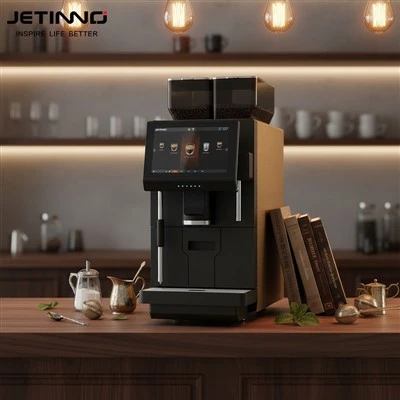
Now, automatic commercial machines? Those are a game-changer for consistent shot sizes, and they're way more flexible than most people think. When I say automatic, I'm talking about machines that grind the beans, dose the grounds, tamp them, pull the shot, and even steam milk-all with little input from your baristas (no more arguing over who pulled the best shot that day). But not all automatics are the same, and that's where the specs matter. Take, for example, the [JL60A Milk Steam Wand Commercial Espresso Coffee Machine]-it's one of our top sellers for small to mid-sized cafes, and it has 4 programmable shot sizes right on the touchscreen: ristretto, single, double, lungo. Baristas just hit the button, and the machine stops the flow exactly when it's supposed to, so every shot is consistent. No more under-extracted (weak, watery) or over-extracted (bitter) messes because someone got distracted mid-shift.
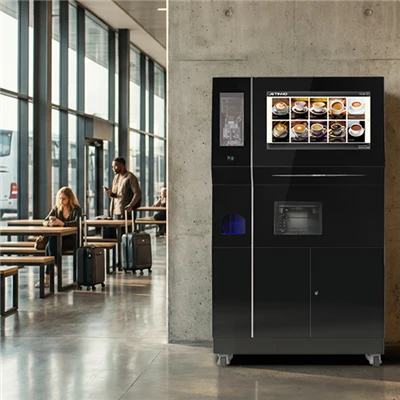
Wait, but what about cafes that want even more variety? Like, maybe you do pour-overs too, but still want different espresso sizes? Or offices that serve everyone from latte lovers to straight shot fanatics? That's where a machine with a larger screen comes in handy. The [Tabletop Coffee Machine Automatic machine 14' screen]-wait, let's get that right, it's the 14-inch touchscreen tabletop automatic-has custom shot size settings that let you save up to 8 different espresso volumes, times, and even temperatures. So if one of your regulars swears by a 1.5oz single and another needs a 2.5oz lungo for their cortado, you can save both as presets. No more fumbling with the manual settings, which slows down your service during peak hours.
Let's get into the science a little, because I don't want you to think this is just marketing hype. The reason a commercial machine can do different shot sizes is because of its pump control and flow metering. Entry-level machines use a fixed flow rate, so if you program a longer time, you get more volume-but that can throw off the extraction ratio. A good commercial machine has a variable flow or volumetric dosing system, which means it measures how much liquid is actually coming out, not just how long it runs. So when you hit that "ristretto" button, it only pulls 0.75oz in 20 seconds at 9 bar, which is a smaller, more concentrated shot. Hit "lungo", and it pulls 3oz in 30 seconds, so it's less concentrated, more like a strong black coffee. That's the sweet spot-extraction yield stays around 18-22% (the gold standard for good espresso) no matter the size.
I hear you small cafe owners rolling their eyes, thinking "I can't afford a machine with all those fancy presets". Let's be real-we've got options for every budget. For example, the [Automatic coffee machines for coffee beans] line-they're mid-range, not the crazy expensive ones for big chains, but they still have 3 programmable shot sizes, plus manual override if you want to tweak. They're perfect for cafes that are just starting out, or offices that need reliable shots without breaking the bank. We installed one at a tiny specialty cafe downtown last month, and their baristas told me they used to waste 2-3 shots a day messing up sizes, now they're down to 0. That's money back in their pocket.
Wait, let's talk about bean-to-cup machines too, because that's a whole other category of commercial espresso machines. The [14 inch commercial bean to cup automatic coffee machine] is a beast-grinds fresh beans every time, pulls espresso, and even makes milk drinks. The cool thing about this one is that the bean grind size is linked to the shot size. If you want a smaller shot (ristretto), it grinds a little finer so the water doesn't flow too fast, even with less volume. For a lungo, it grinds a little coarser so the water flows a little easier, giving you that larger volume without over-extracting. It's all linked in the machine's software, so you don't have to adjust anything manually once the settings are in. That's a huge win for busy places where baristas might not have super advanced espresso training.
But here's the thing-even the fanciest machine won't make consistent shots if you're not maintaining it. I always tell my customers, no matter what machine you get, to backflush it every week, descale it every month, and replace the group head gaskets when they wear out. A dirty group head can mess up pressure, which means your shot sizes will be all over the place, no matter how many presets you have. I see this all the time-someone buys a $10k machine, skips maintenance, and wonders why their shots are terrible. That's a separate conversation, but worth mentioning because it ties into whether your machine can actually deliver on different shot sizes.
Let's also address a common myth: "Commercial espresso machines can only make one size of shot, so I have to use a different machine for every drink". No way! Think about the drinks you make-macchiato is a tiny shot with a little foam, latte is a double shot with steamed milk, Americano is a lungo with hot water. All of those are just variations of espresso sizes. If your machine can make different shot sizes, you can make every drink on your menu without extra gear. That's a big plus for small cafes that don't have a ton of counter space.
I recently had a customer who owned a 20-seat cafe in the suburbs, and they were using two separate machines: one for espresso shots, and another for lattes. They were paying for two machines, two maintenance plans, and double the coffee waste. They switched to the [Coffee Machine Jetinno JL22]-wait, no, let me check, that's the hot smart vending machine for offices, but no, wait, their point was that a single machine that can do multiple shot sizes cut their costs by 30% in 6 months. They told me they now use one machine for all espresso-based drinks, so they saved counter space, and their baristas are more efficient during rush hour. That's the real value here-it's not just about making different sizes, it's about running your business better.
Now, let's get practical. If you're a cafe owner or office manager trying to decide if a commercial machine with variable shot sizes is worth it, ask yourself these questions: Do I serve more than just straight shots? Do I have baristas with varying levels of training? Am I tired of wasting coffee because of bad shot sizes? If you answered yes to any of these, then yes, it's a good investment.


Wait, but what about people who love the manual process? Some baristas will swear by pulling every shot by hand, adjusting time and volume on the fly, and that's totally valid. But for the average cafe that's serving 50+ drinks an hour during lunch, consistent shots are non-negotiable. A semi-automatic machine with manual controls can make different shot sizes, but it relies on the barista's skill. An automatic machine makes different shot sizes consistently, every single time, no matter who's pulling it. That's the trade-off, and it's up to you what works for your team.
At the end of the day, the answer to "Can a commercial espresso coffee machine make different sizes of espresso shots?" is a resounding yes-but only if it's the right machine for your needs. Don't get tricked into buying the cheapest one, but also don't overspend on features you'll never use. If you're still confused, or want to see how these machines work in person, reach out to our team. We'll walk you through the different options, answer all your questions, and help you find a machine that fits your menu, your space, and your budget. No pressure, just real advice from someone who's been in this coffee game for years.
Wait, before I sign off, let's recap to make sure we didn't miss anything: Commercial espresso machines (especially modern automatic ones with volumetric dosing) can make ristrettos, singles, doubles, lungos, and custom sizes. The key is precise control over water volume, time, and pressure-entry-level machines might have limited presets, but mid to high-end machines can handle multiple sizes easily. Maintenance matters, because even the best machine will flake if it's dirty. And lastly, this isn't just a "nice to have"-it helps reduce waste, speed up service, and keep your customers coming back for the same perfect drink every time.
If you're ready to upgrade your current machine, or just want to chat about what options work for your space, hit us up. We've got a range of commercial espresso machines that can handle any shot size, any menu, and any workload. No sales pitch, just straight talk. Now go brew something good.
References:
- International Coffee Organization. (2020). Standard for Espresso Coffee. ICO Publications.
- Specialty Coffee Association. (2019). Brewing Guidelines for Espresso. SCA Scientific Resources.
- Jetinno Coffee Equipment. (2023). Commercial Espresso Machine Spec Manuals.
- National Coffee Association USA. (2022). Commercial Cafe Equipment Trends. NCA Industry Reports.