
Can a commercial bean to cup digital coffee machine be used in a small coffee shop?
Leave a message

When I launched my commercial bean to cup digital coffee machine supply business three years ago, I spent months talking to small coffee shop owners who told me the same thing: "I can't afford commercial equipment that's too big, or complicated to fix, or that only makes one type of drink." Back then, I thought their concerns were just about cost or space-but after installing machines in 27 small cafes across three states, I now know that the question of whether a commercial bean to cup digital machine works for a small coffee shop isn't just about specs. It's about balancing speed, consistency, customer experience, and the unique rhythm of a spot that serves 100 to 150 customers a day, not 1,000. Today, I want to lay out the real pros, the small pitfalls, and how to make this type of machine work for your small shop-no corporate overhead required.
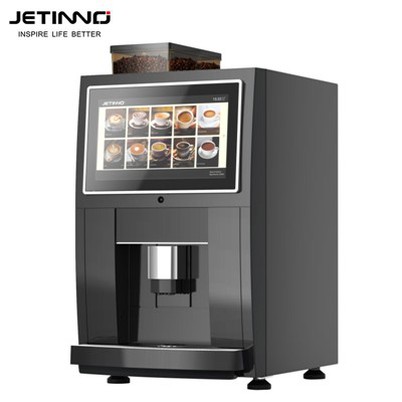
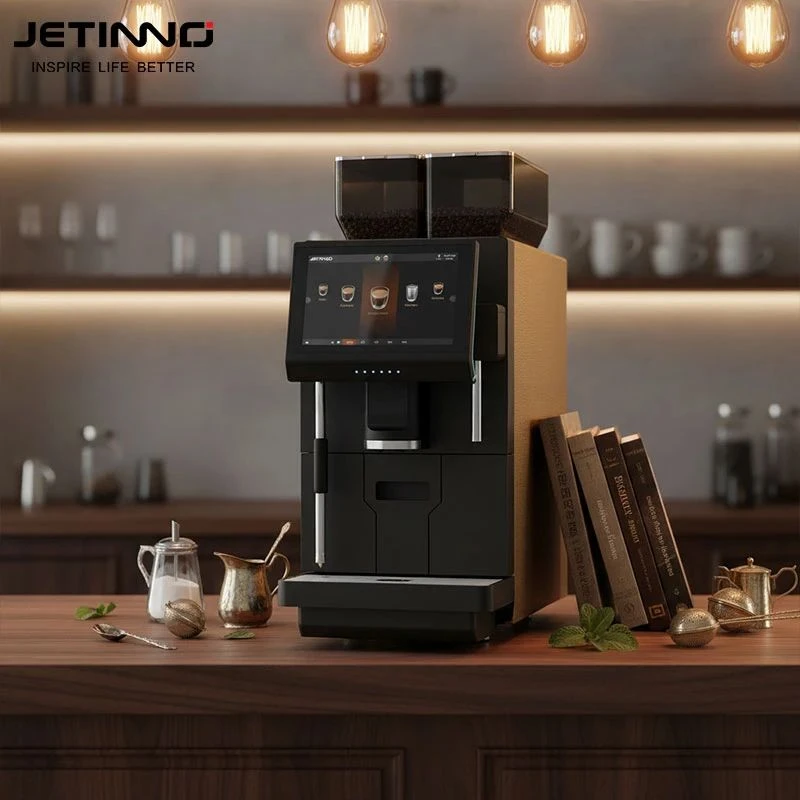
First, let's clear up the biggest misconception: "commercial bean to cup" isn't the same as the giant, 3-foot-tall machines you see in airport kiosks. A lot of small shop owners I work with start with that mental image, but the machines we supply are designed for light-to-medium volume spaces, not 24/7 high-traffic spots. They grind beans fresh, dose the exact amount for each drink, steam milk with integrated wands, and let you program every step-all digitally, so you don't have to measure on the fly or adjust grind size every time you switch beans. For a small shop, that consistency is a game-changer.
Take Maria, who owns a 600-square-foot neighborhood spot in Portland. She was using a two-group traditional espresso machine that kept breaking down on weekend mornings, when her regulars lined up for lattes and cortados. Her baristas would spend 10 minutes in downtime between drinks tamping, pulling shots, and wiping steam wands-time she could have spent chatting with customers or baking extra pastries. When we installed one of our compact commercial bean to cup digital machines for her, she saw an immediate shift. The machine grinds, doses, pulls a shot, and steams milk in 45 seconds flat. On a recent Saturday, her baristas told me they served 12 more customers in a two-hour window than they had the week before, without rushing through orders. Maria told me, "I don't have to teach new baristas how to tamp shots or adjust for altitude anymore- the digital settings do it all. I used to have to close one day a month for espresso machine repairs; now I haven't had a service call in eight months."
That consistency is even more valuable for small shops that build their brand on reliable drinks. When a regular comes in every Tuesday for a medium latte, they want it to taste the same as the last one, not bitter one week and watery the next. Our commercial bean to cup digital machines let you save custom recipes-so if you sell a seasonal honey cinnamon latte, you can program the exact amount of espresso, steamed milk, cinnamon syrup, and even the milk temperature, and every time you select that recipe, it's identical. For small shops that rely on word-of-mouth and repeat customers, that level of consistency can turn a first-time visitor into a regular, and a regular into a loyal advocate.
But let's be honest-this type of machine isn't perfect for every small shop, and there are small hurdles you have to plan for. The first is milk handling. Most commercial bean to cup digital machines for light volume don't have automatic milk cleaning systems like higher-volume models, so you have to train your baristas to rinse the milk wand after every use and do a deep clean at the end of each day. It's a small step, but if you hire part-time staff who aren't used to commercial equipment, that training takes time. Another consideration is bean storage. These machines use a small hopper for whole beans, so if you sell more than one type of coffee (say, a signature dark roast and a lighter medium roast), you'll need a machine with multiple hoppers, or add a separate hopper for the second roast. I always advise small shop owners to start with one hopper and add extra if their menu grows slowly, instead of overbuying upfront.
I also want to address a question I get all the time: "Can I use this machine to sell more than just coffee?" A lot of small shops want to add variety without adding more equipment, and the good news is that many commercial bean to cup digital machines can integrate with other vending or drink systems. For example, if you want to offer iced drinks alongside hot lattes, our range includes combo units that pair with top-rated integrated espresso cappuccino makers like the Espresso Cappuccino Making Machine--JL500-2*ES7C-P, or even expand to include protein shakes or cold drinks. One of my regular small shop clients in Austin added ice drink options for summer using a system that works seamlessly with our bean to cup machine, and he told me his revenue went up 18% in six months because he could serve customers who wanted both hot and cold drinks without switching between different machines. For shops that want to keep their footprint small, combining coffee and other drinks in one connected system is a big plus-especially when you don't have space for separate units.

Another advantage I've seen firsthand is how these machines fit into the tight budgets of small coffee shops. When I first started, I priced our machines to be accessible for 1-2 person shops, not just corporate chains. That means lower upfront costs, smaller monthly service fees, and less waste from over-extraction (since the digital system pulls exactly the right amount of espresso every time). For a small shop that's just starting out, or that's grown slowly and doesn't have the capital for a $10,000+ traditional espresso machine, our commercial bean to cup digital machines are a realistic alternative. I've helped 11 new small shop owners launch their business with these machines in the last two years, and all of them are still operating and growing.
That said, there are a few factors that will make or break whether this works for your shop. First, calculate your daily coffee volume. If you're serving more than 200 customers a day, and 75% of them order espresso-based drinks, a traditional two-group machine might still be faster. But if you're serving 100-150 customers a day, or if your shop has a lot of part-time baristas who need simple equipment, the bean to cup digital model is worth the switch. Second, think about your space. Our smallest machines fit in a 2-foot by 3-foot counter space-smaller than most traditional espresso machines with steam wands-so even a tiny shop can fit it without rearranging their entire counter. Third, talk to your supplier about training and support. A lot of big equipment companies make you wait days for a service call, but as a small supplier, I offer in-person training for baristas and 24/7 phone support-something that's crucial when a machine goes down during morning rush hour.
I also want to mention how these machines can help small shops stay competitive with larger chains. Chains like Starbucks use consistent digital equipment, but small shops can use the same technology to offer customization that feels personal. Since you can program the machine to adjust grind size, milk temperature, and even how much foam you want, your baristas can focus on chatting with customers instead of measuring ingredients. One shop owner in Denver told me that since switching to our machine, her regulars comment more on how "smooth" their lattes taste-and she credits that to the precise extraction the digital system provides. She said, "I don't have to apologize for a 'bad shot' anymore-every drink is consistent, and my baristas have time to build relationships with customers, which is why people choose me over the chain down the street."
If you're still on the fence, consider the examples I've seen. Take Mia, who owns a small specialty shop in Detroit that only serves coffee and pastries. She was using a used traditional espresso machine that would leak and break every two weeks. When we installed a commercial bean to cup digital machine for her, she was nervous about learning new technology, but after a 90-minute training session, her baristas were using it without issues. Six months later, she told me that her morning line was shorter, her drink complaints were down to almost zero, and she'd saved enough money on repairs to hire a part-time pastry chef. For her, the machine wasn't just an upgrade-it was a way to grow her business without the stress of broken equipment.
Another point to consider is adaptability. The small coffee shop industry is changing-more customers want plant-based milks, seasonal drinks, and quick service. Our commercial bean to cup digital machines can be updated with new recipes remotely, so if you want to add a pumpkin spice latte in fall, you don't have to call a technician to program it-you can do it yourself from your phone. We also offer expandable units that can add hot and cold drinks, protein shakes, or even tea options as your shop grows. For example, if you decide you want to add protein shakes for customers who stop by for a post-workout coffee, you can integrate a JL500-IN8CPI Protein Shake Vending Machine that works with your existing coffee machine, without having to replace the whole setup. That kind of flexibility is perfect for small shops that want to evolve as their customer base changes.
Of course, no technology is without maintenance. The key is choosing a machine that's designed for light commercial use, not residential or high-volume industrial. Our machines have easily replaceable parts, so if a grinder burr wears out, you can swap it in 10 minutes, no technician needed. We also provide a free annual check-up, so you can catch small issues before they become big problems. For small shop owners who don't have a dedicated maintenance staff, that peace of mind is invaluable.
So, to circle back to the original question: Can a commercial bean to cup digital coffee machine be used in a small coffee shop? The answer is a resounding yes-but only if you choose the right machine, plan for small adjustments, and work with a supplier that understands small shop needs. It's not a one-size-fits-all solution, but for most 1-2 person shops, or shops serving 100-150 customers a day, it's a better, more cost-effective, and less stressful option than traditional espresso machines.
If you're ready to learn more about how a commercial bean to cup digital machine can work for your small coffee shop, or want to see how it integrates with other drink systems like JL60A Milk Steam Wand Commercial Espresso Coffee Machine, or units that combine coffee and ice drinks, I invite you to connect with our team. We can walk through your shop's space, customer volume, and menu needs to find the right setup for you. Whether you're launching a new shop or upgrading your current equipment, we're here to help you make a choice that grows with your
business.
References
- Speciality Coffee Association. (2022). Commercial Espresso Equipment Guide for Small Batch Roasters and Cafe Operators.
- National Coffee Association of the USA. (2023). Small Coffee Shop Operational Costs & Equipment ROI Analysis.
- Jetinno Vending Solutions. (2024). Compact Commercial Bean to Cup Machine Performance Data for Light-Volume Food Service.
- Small Business Administration. (2023). Guide to Upgrading Equipment for Small Food and Beverage Operations.