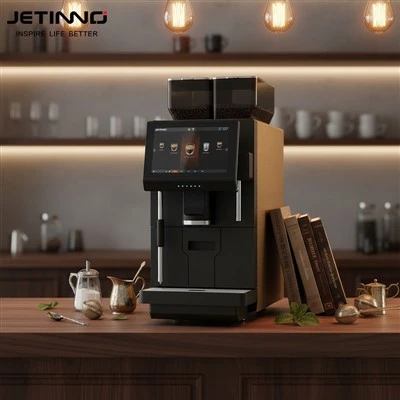

What is the ease of cleaning of a commercial bean to cup digital coffee machine?
Leave a message

If you've ever run a small café, hotel lobby, office break room, or even a busy retail space where coffee consumption is nonstop, you know that keeping commercial equipment clean is half the battle. There's nothing worse than a customer taking a sip of their latte and noticing a weird aftertaste, or dealing with clogged parts because old coffee oils and grounds built up over a busy weekend. That's where the ease of cleaning of a bean to cup digital coffee machine becomes way more than a small "nice to have"-it's a make-or-break factor for keeping drinks tasting consistent, avoiding costly repairs, and making your team's daily grind (pun very intended) way less stressful. As a supplier of these machines, I've heard every complaint: "My old machine took 45 minutes to deep clean every night" or "I forgot to clean the grinder and all the shots tasted like musty wet socks." So today, I want to break down what actually makes a bean to cup digital machine easy to clean, why it matters for commercial settings, and the small details I tell buyers to look for when choosing one.
First, let's get one thing straight: bean to cup digital machines aren't the same as the old pod or drip brewers you might have used at home. Commercial bean to cup models grind fresh beans on demand, so they have moving parts you don't see in simpler machines-grinders, brew groups, lines that carry hot water and coffee. The "digital" part here is the touchscreen interface that walks you through cleaning cycles, tracks maintenance alerts, and cuts down on guesswork. That digital feature is a huge win for cleaning ease, but only if it's paired with well-designed, accessible parts. I've seen plenty of machines with fancy touchscreens that make cleaning instructions sound like a physics problem, and they're impossible to take apart because parts are screwed in tight and hidden behind plastic panels.
Let's talk about the biggest pain point for anyone maintaining one of these machines: grinder and brew group gunk. Every time you grind beans, fine coffee dust sticks to the grinder burrs, and those oils coat the inside of the brew group where the hot water mixes with grounds to make espresso. If you let that sit, it goes rancid fast, and that's the culprit for that off-tasting coffee people hate. The best commercial bean to cup machines make these parts tool-free to remove. You shouldn't need a screwdriver to pop out the brew group or brush loose coffee grounds out of the grinder chute. Some of our newer models, like the one we talk about in the Espresso Coffee Machine Automatic coffee vending machine 27 inch link, have a one-click brew group release-no wrestling, no fumbling with tiny parts. You just push a button, pull it out, wipe it down with a damp cloth, and pop it back in. That cuts a 20-minute deep clean step down to 5 minutes, which is a huge deal if you're the only person manning a front desk or a small café.
Another big one is the water lines and milk system, if you're serving lattes or cappuccinos. Milk is the worst for cleaning because it curdles and leaves a sticky film if it sits, and that film can grow bacteria fast. Digital machines usually have automatic milk cleaning cycles, but the ease of that cycle depends on how easy it is to access the milk container and the steam wand. For example, if the milk reservoir is hidden under the machine and you have to reach through a tiny gap to pull it out, you're way less likely to actually deep clean it every time-you might just rinse it quickly and call it good, which leads to problems down the line.
Wait, but ease of cleaning isn't just about easy-to-remove parts-it's also about how the machine prevents messes in the first place. I know this sounds counterintuitive, but a lot of well-designed bean to cup digital machines have built-in features that cut down on manual cleaning work. For example, some have a "flush cycle" that runs a small amount of water through the lines between drinks to keep coffee oils from sticking, so you don't have to scrub the lines every week. The grinder might have a self-cleaning function that vibrates to knock loose dust off the burrs, so you only have to deep clean it once a week instead of every day. These small automated steps take the pressure off your team-no one wants to be stuck scrubbing a grinder for 10 minutes at 7 a.m. when they're swamped with morning rush orders.

Of course, every commercial space is different. An office break room with 50 people a day has different needs than a small retail kiosk or a hotel with 200 guests a day. That's why we offer a range of models, including ones that aren't just coffee-specific. For places that sell more than just coffee-like a gym or a convenience store that wants protein shakes and hot drinks too-we have options like the Fresh-Ground Coffee Vending Machine JL320 that still has a bean to cup coffee function with the same easy cleaning design. It has separate parts for coffee and protein shake mix, so you don't have to worry about coffee oils mixing with whey powder, and the cleaning cycles are customizable depending on how much you use each part. For spaces that want even more variety, like spots that sell carbonated drinks with their coffee, the
Coffee Vending Machine With Carbonated Water JL580 has easy-access lines for both, so you can clean them separately without having to take apart the whole machine.

A common mistake I see buyers make is thinking that all commercial bean to cup digital machines are the same when it comes to cleaning. They might look at a cheap model from a no-name brand that has a nice touchscreen, but the parts are made of flimsy plastic that cracks after a month, or the brew group is a complex unit that requires a technician to remove. That's a huge headache-you don't want to pay a service call every time you need to clean your machine. Our machines are built with commercial-grade, durable parts that are designed to be cleaned without professional tools. I always tell clients to ask suppliers: "Can I clean this machine myself without a screwdriver? How often does it require a technician for routine cleaning?" If the answer is "yes" and "hardly ever," that's a good sign.
Another factor in cleaning ease is the machine's display and maintenance alerts. Digital interfaces aren't just for looking at drink options-they should give clear, step-by-step instructions for each cleaning step, in plain language, not jargon. I've used some machines that say "Perform brew group maintenance cycle C12" and I have no idea what that means, but our machines say "Step 1: Push the silver button to release the brew group. Step 2: Wipe with a damp cloth. Step 3: Push back until you hear a click." That's the kind of clear guidance that makes even a part-time employee feel comfortable cleaning the machine, no training required. If the machine also has real-time alerts that tell you when it's time to clean the milk reservoir or descale the water lines (a super important step that a lot of people forget), that takes the guesswork out of maintenance. Descale cycles are often a hassle, too-some machines make you mix chemicals and pour them into hidden tanks, but our models have a front-loading descale tank that you can empty and refill in 30 seconds, no funnel or measuring cup needed.
Let's talk about real-world examples. Last year, we installed a JL500-IN7C Foot Standing Vending Machine with Hot and Cold Drinks (link here) at a small gym in downtown. The manager there used to have a old pod brewer that took forever to clean, and they were going through 2-3 pods a day plus wasting time every night scrubbing. Since they switched to our bean to cup model, they say cleaning takes less than 10 minutes total every evening. They pop out the brew group, wipe it, rinse the milk reservoir, run the descale cycle once a month, and that's it. No more off-tasting lattes, no more service calls, and they're saving money on pods too. That's the kind of win that makes all the difference for small businesses that don't have a dedicated maintenance staff.
Wait, but there's a downside to even the best easy-to-clean machines: if you skip cleaning, even the most accessible parts won't save you. Ease of cleaning isn't an excuse to ignore maintenance-it's a way to make consistent, regular cleaning actually doable. I always tell clients that a machine that's easy to clean is only as good as the person using it. Even if a brew group pops out with one button, if you never pull it out to wipe it, coffee oils will build up. But the key is that when cleaning isn't a huge chore, people actually do it. That's why we focus on making the tedious parts of commercial coffee maintenance as quick and painless as possible-because we know that if your team doesn't want to do the cleaning, your coffee will suffer.
If you're in the market for a commercial bean to cup digital coffee machine, or even a multi-beverage machine that includes coffee, the ease of cleaning should be at the top of your checklist. Don't just look at the price or how many drink options it has-ask about tool-free parts, clear digital guidance, automatic maintenance alerts, and how often you'll need professional service. Whether you're a small café, a big office, or a retail space that wants to offer more than just coffee, there's a machine that fits your needs without making cleaning a second full-time job.
If you're ready to find a machine that's easy to maintain, keeps drinks tasting great, and fits your commercial space, we can help you pick the right model. Reach out to our team to discuss your needs, whether that's a dedicated espresso machine, a multi-beverage vending setup, or something in between.
References
- National Coffee Association. (2023). Commercial Coffee Equipment Maintenance Guide. Retrieved from industry standard resources for F&B equipment cleaning protocols.
- Specialty Coffee Association. (2022). Cleaning Standards for Commercial Bean-to-Cup Brewers. Guidelines for maintaining equipment to ensure consistent flavor and food safety.
- Vending Market Report. (2024). Key Factors in Selecting Commercial Food and Beverage Vending Equipment. Industry insights on ease of maintenance for high-traffic commercial spaces.