
What are the technical specifications of a public vending coffee machine?
Leave a message

If you've ever grabbed a quick, decent coffee from a public vending machine in an office lobby, gym, or train station, you might've thought-wait, how does this thing work? I get it, when I started selling these machines a few years back, I had no clue there's way more to them than just pressing a button and getting a cup. Today, I'm breaking down the real, no-BS technical specs that make a public vending coffee machine actually work (and keep your customers coming back for more sips).
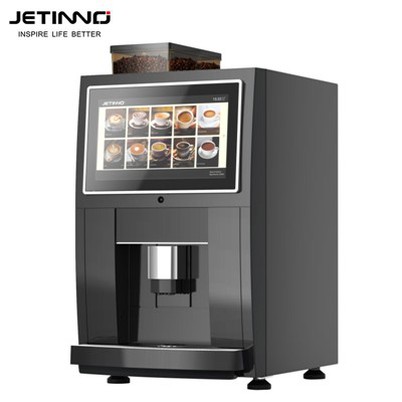
First off, let's talk about the core because if this part's garbage, nothing else matters: the brew system. Most public models run on either bean-to-cup or pre-ground/granule systems, right? Bean-to-cup is the fan favorite for better taste, since it grinds fresh beans every time. The grinders here aren't your at-home coffee grinder-they're commercial grade, with stainless steel burrs that adjust for grind size (so you can go from a bold espresso to a smoother latte). I've seen cheap grinders clog after a month, but the good ones run quiet and consistent. If you're looking for a solid bean-to-cup option, check out this Coffee Vending Machine tea vending equipment hot drink vending 27inch screen-it's got a 200g bean hopper, which means you don't have to refill it every single day, perfect for busy public spots.
Next up, the water system. You can't make coffee without good water, and these machines aren't just hooking up to any tap. Most public vending models have a built-in water filtration system-usually a 5-micron sediment filter plus activated carbon-to get rid of chlorine and weird tap tastes that mess up your coffee's flavor. The water tank is another key spec: for high-traffic locations (like a shopping mall food court), you want at least a 10-liter tank, so you don't have to drain and refill it twice a day. Some machines also work with a direct water line if your space has one-way more convenient for long-term setups. A big no-no here is under-sized tanks; I've had customers with small offices complain their machine runs out of water by 10am, so trust me on that.
Let's move to the heating system, which is what keeps your coffee hot (or cold, depending on the machine). For hot drinks, most public machines use a thermoblock heater instead of a boiler. Thermoblocks are way more energy-efficient than big boilers-they heat water to the exact temperature you need (usually between 85°C for pour-over and 95°C for espresso) in seconds, instead of keeping a whole tank of water hot 24/7. No energy waste, and you don't have to deal with limescale buildup in a big boiler. If you want a machine that does both hot and cold drinks (like iced lattes or cold brew), you need a separate refrigeration unit for cold liquids. That's where something like the Hot And Cold Coffee Vending Machine comes in handy-it's got a compressor-based chiller that keeps cold ingredients fresh without making them taste like a fridge.
Now, the ingredient storage system. This isn't just a little bin for coffee-public machines have separate hoppers for each ingredient: whole coffee beans, ground coffee, instant coffee, milk powder, sugar, syrups, even tea leaves if you're mixing it up. Each hopper needs to be airtight to keep ingredients fresh, especially coffee beans (they go stale fast if exposed to air). For high-volume spots, you want hoppers that hold at least 1.5 liters of each ingredient. Some machines let you adjust portion sizes too-so you can make a small espresso or a large latte without having to swap settings. The milk system is a big one, too-fresh milk vs powder. Fresh milk hoppers need to be refrigerated, which adds to the machine's specs, but it makes a way better-tasting latte. I always recommend refrigerated milk hoppers for offices or cafes where people care about taste.
Let's talk about the controls and interface, since that's what your customer interacts with. Most modern public vending coffee machines have a touchscreen-usually 24 to 27 inches, which is big enough to see from a distance and easy to tap. The screen needs to be durable, obviously-people in public spaces might tap it hard, spill something on it, so scratch-resistant and waterproof coating is a must. Some machines let you customize the menu: add drinks like cappuccinos, espressos, hot chocolates, even tea. Speaking of which, a machine like the Cappuccino Espresso Coffee Machine Automatic is perfect for that-it has pre-programmed settings for all the common drinks, so you don't have to adjust anything every time. For smaller spaces, like a tiny office break room, a tabletop model works great. The
Tabletop Hot Drinks Machines Fresh Coffee JL28 is compact, fits on a counter, and still has all the key specs you need-no need for a full floor model if your space is tight.
Now, something that a lot of people overlook: dispensing and cup handling. The dispenser needs to put the drink into the cup without spilling, obviously, but it also has to adjust for different cup sizes. Most public machines can handle 8 to 16 oz cups, which covers all the standard sizes. The cup dispenser itself needs to hold enough cups-at least 50, so you don't have to refill it every hour. A good spec here is a cup sensor that alerts you when cups are running low, so you don't have a bunch of people waiting with no cups to pour their coffee into.
Energy efficiency is another big technical spec, especially if you're running the machine 12+ hours a day in a public spot. Look for machines with energy-saving modes-they'll go into standby when no one's using them, instead of keeping all systems running. Energy Star rated is a good call, but even if it's not, check the wattage. Bean-to-cup machines usually use between 1000 and 1500 watts, which is way less than a commercial coffee brewer you'd use in a shop. That means lower electricity bills for you, which is a win for any business owner.
Maintenance is tied to technical specs too, because nobody wants a machine that breaks down every week. Look for machines with self-cleaning cycles-most public models do a flush of the brew system after every 10 to 15 drinks, which cuts down on bacteria buildup and reduces the need for deep cleans. Some even have a notification system that tells you when you need to descale the water system or refill ingredients. Descaling is super important because limescale clogs the heater and ruins the taste, so a machine that makes that easy is a huge plus. Commercial models also have removable parts that are dishwasher safe or easy to wipe down, so you don't have to be a mechanic to keep it working.
Let's not forget payment systems, which are pretty standard for public vending. Most modern machines accept cash, card, mobile payments (Apple Pay, Google Pay), and even app payments. That spec is non-negotiable these days-hardly anyone carries cash anymore, so if your machine only takes coins, it's going to lose out on sales. Some models even let you set up loyalty programs, so repeat customers get a free drink after a few purchases.

Wait, let's circle back to something specific that I get asked all the time: what makes a good commercial machine vs a cheap one. I've seen people buy super cheap vending machines online that break after a month because their technical specs are garbage-small grinders, bad water systems, no self-cleaning. The Commercial Coffee Vending Machine JL500-ESFB7C-P is built for high-traffic, busy public locations-its grind system can do 500 drinks a day without slowing down, has a 15-liter water tank, and works with direct water lines, so you barely have to maintain it.
Let me wrap this up with the practical stuff, because all these specs mean nothing if the machine doesn't fit your space. If you're putting it in a gym that's open 12 hours a day, 100+ people coming through, you need a high-volume model with big ingredient hoppers. If it's a tiny doctor's office with 20 people a day, a compact tabletop one works. Either way, the key specs to check are: brew type (bean-to-cup vs pre-ground), water filtration and tank size, heating system, ingredient storage, payment options, and maintenance features.
If you're in the market for a public vending coffee machine, don't just go by price-dig into those technical specs. You want something that's reliable, makes good coffee, and doesn't give you headaches when you have to fix it. Head over to the relevant pages linked above to check out the models that fit your spot, and if you have questions, feel free to reach out for a custom quote. We can help you pick the right machine for your space, whether it's a small office or a busy retail location.
References:
- Vending Machine Industry Technical Specifications for Commercial Hot Beverage Equipment, Vending Times, 2023
- Bean-to-Cup Coffee Machine Design and Performance Standards, Specialty Coffee Association, 2022
- Energy Efficiency Guidelines for Public Vending Equipment, U.S. Department of Energy, 2021
- Public Vending Machine Maintenance Best Practices, National Automatic Merchandising Association, 2023