
How to troubleshoot a low - pressure problem in a commercial espresso machine?
Leave a message

As a supplier of commercial espresso machines, I've encountered numerous issues that customers face while using these machines. One of the most common problems is low pressure, which can significantly affect the quality of the espresso. In this blog, I'll share some effective ways to troubleshoot a low - pressure problem in a commercial espresso machine.
Understanding the Importance of Pressure in Espresso Machines
Before we dive into troubleshooting, it's essential to understand why pressure is crucial in an espresso machine. Espresso is made by forcing hot water through finely ground coffee at high pressure. The ideal pressure for making espresso is between 9 and 10 bars. This pressure helps to extract the flavors, oils, and aromas from the coffee grounds, resulting in a rich, concentrated shot of espresso. When the pressure is too low, the extraction is incomplete, and the espresso may taste weak, sour, or lack the characteristic crema.
Common Causes of Low Pressure
There are several reasons why a commercial espresso machine may experience low pressure. Here are some of the most common causes:
1. Clogged Filters
The water filters in an espresso machine are designed to remove impurities from the water. Over time, these filters can become clogged with sediment, minerals, and other debris. A clogged filter restricts the flow of water, reducing the pressure in the machine.
2. Blocked Group Head
The group head is where the coffee puck is placed, and the water is forced through. If the group head is blocked with coffee grounds or other debris, it can prevent the water from flowing freely, leading to low pressure.
3. Worn - Out Pump
The pump is responsible for creating the pressure in the espresso machine. Over time, the pump can wear out, especially if the machine is used frequently. A worn - out pump may not be able to generate enough pressure to make a proper shot of espresso.
4. Incorrect Coffee Grind
The grind size of the coffee can also affect the pressure in the espresso machine. If the coffee is ground too coarsely, the water will flow through the coffee puck too quickly, resulting in low pressure. On the other hand, if the coffee is ground too finely, it can block the flow of water, also causing low pressure.


5. Water Supply Issues
Insufficient water supply or low water pressure from the source can also lead to low pressure in the espresso machine. If the water supply is restricted or the pressure is too low, the machine may not be able to generate the necessary pressure for extraction.
Troubleshooting Steps
Step 1: Check the Water Supply
The first thing you should do when troubleshooting a low - pressure problem is to check the water supply. Make sure that the water tank is filled with clean water or that the machine is properly connected to a water source. Check the water pressure at the source. If the water pressure is low, you may need to contact your water supplier or install a water pressure booster.
Step 2: Clean the Filters
If the water filters are clogged, they need to be cleaned or replaced. Most commercial espresso machines have a water filter that can be easily removed and cleaned. Follow the manufacturer's instructions for cleaning or replacing the filter. Regularly cleaning the filters can prevent clogs and ensure proper water flow.
Step 3: Clean the Group Head
A blocked group head can be cleaned using a group head brush. Remove the portafilter and use the brush to clean the group head thoroughly. Make sure to remove any coffee grounds or debris that may be blocking the holes in the group head. You can also use a cleaning tablet to clean the group head more effectively.
Step 4: Check the Pump
If you suspect that the pump is worn out, you may need to have it inspected by a professional technician. A technician can test the pump to determine if it is functioning properly. If the pump is faulty, it may need to be replaced.
Step 5: Adjust the Coffee Grind
If the coffee grind is incorrect, adjust it accordingly. If the pressure is too low, try grinding the coffee finer. If the pressure is too high, try grinding the coffee coarser. It may take some trial and error to find the perfect grind size for your machine.
Additional Tips
- Regular Maintenance: Perform regular maintenance on your commercial espresso machine, including descaling, cleaning, and lubricating. This can help prevent low - pressure problems and extend the lifespan of the machine.
- Use High - Quality Coffee: Using high - quality coffee can improve the extraction process and reduce the likelihood of low - pressure issues. Make sure to use fresh, roasted coffee beans and grind them just before brewing.
Our Product Recommendations
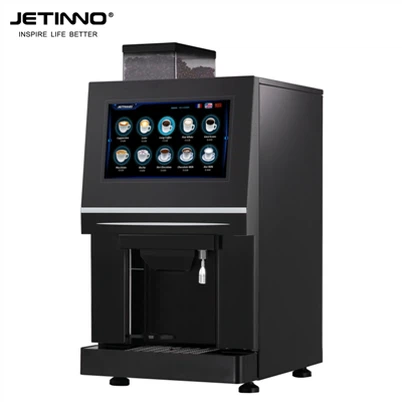
We offer a wide range of commercial espresso machines and related products to meet your needs. If you're looking for a new coffee vending machine, check out our New Version Coffee Vending Machine. It's designed to provide high - quality coffee with consistent pressure.
For those who prefer a machine that can handle both hot and cold milk, our Hot and Cold Milk Commercial Coffee Machine -- JL38B is a great option. It offers excellent pressure control for a perfect cup of coffee.
Our Espresso Coffee Vending Machine is specifically designed for making espresso with the right amount of pressure. It's suitable for busy cafes and restaurants.
If you need a compact machine for your countertop, our Counter Top Bean Coffee Machine is a good choice. It provides reliable pressure for a delicious cup of coffee.
And for a touch - screen experience, our TableTop coffee machine hot drink vending touchable screen 14inch offers easy operation and consistent pressure.
Contact Us for Purchase and Consultation
If you're experiencing low - pressure problems with your commercial espresso machine or are interested in purchasing a new machine, we're here to help. Our team of experts can provide you with professional advice and solutions. Don't hesitate to contact us for more information and to start a purchase negotiation.
References
- Espresso Machine Maintenance Guide, Manufacturer's Manuals
- Coffee Brewing Science: Understanding Pressure and Extraction, Coffee Research Institute Publications