
How does a Bean To Cup coffee machine measure the amount of coffee and water?
Leave a message

How does a Bean To Cup coffee machine measure the amount of coffee and water?
Hey there, coffee lovers and business owners! I'm an expert from a bean-to-cup coffee machine supplier, and today, I'm gonna spill the beans (pun intended) on how these amazing machines measure the amount of coffee and water.
First off, let's talk about why getting the right ratio of coffee to water is crucial. It's the key to brewing that perfect cup of joe. Too much coffee, and you end up with a bitter, overpowering brew. Too little, and you're left with a weak, flavorless cup. So, how do bean-to-cup coffee machines ensure they get it just right?
Measuring the Coffee
Most bean-to-cup machines use a dosing system to measure the coffee. There are a few different ways this can be done, but the most common is through a burr grinder with an adjustable dosing mechanism.
The burr grinder is like the heart of the machine when it comes to coffee measurement. It grinds the whole coffee beans into a consistent particle size, which is essential for a good extraction. The dosing mechanism is what controls how much coffee is ground and dispensed into the brewing chamber.
Some machines use a mechanical dosing system. This typically involves a rotating disk or auger that moves the coffee beans from the hopper to the grinder. The amount of coffee dispensed is determined by the number of rotations or the length of time the mechanism is activated. For example, if you set the machine to make a single shot of espresso, the dosing mechanism will rotate a specific number of times to release just the right amount of beans for that shot.
Other machines use an electronic dosing system. These systems are more precise and can be adjusted more easily. They use sensors to measure the weight or volume of the coffee beans. For instance, a load cell sensor can be used to measure the weight of the beans as they are dispensed. The machine's control panel allows you to set the exact amount of coffee you want, whether it's for a single cup, a double shot, or a larger batch.
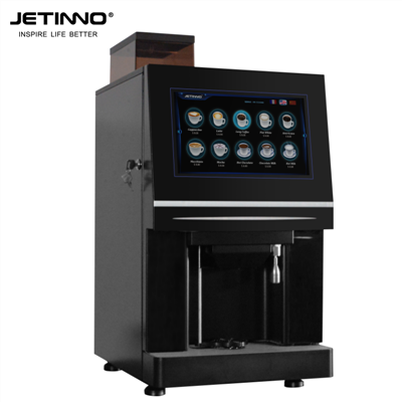
Let's take a look at some of our top - selling machines that have great coffee - measuring systems. The Foot Standing Fully Automatic Coffee Machine JL500 - ES7C is a beauty. It's got an advanced electronic dosing system that ensures every cup is brewed with the perfect amount of freshly ground coffee.
And the Professional Espresso Coffee Vending Machine -- JL500 - ES7C is another great option for businesses that need high - volume, consistent coffee brewing.
Measuring the Water
Measuring the water is just as important as measuring the coffee. Bean - to - cup machines use different methods to control the water volume.
One common method is the use of a flow meter. A flow meter is a device that measures the volume of water flowing through a pipe. In a coffee machine, water is pumped from the water tank to the brewing chamber. The flow meter measures the amount of water that passes through it and sends a signal to the machine's control board. Once the desired volume of water has been reached, the pump is turned off.
For example, if you're making a 12 - ounce cup of coffee, the flow meter will measure the water as it's being pumped towards the brewing chamber. When 12 ounces of water have passed through the flow meter, the machine will stop the water supply.
Another method is the use of a water level sensor. Some machines use sensors to detect the water level in the brewing chamber. These sensors work by detecting the presence or absence of water at a certain point. When the water reaches the pre - set level, the water supply is cut off.
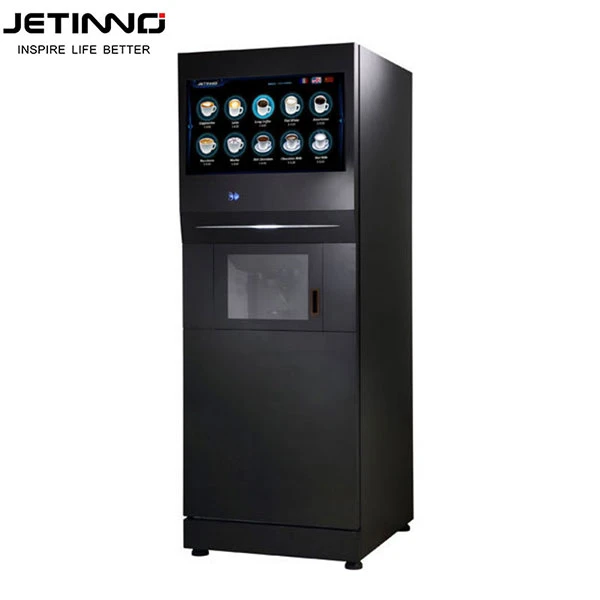
Our Coffee Drink Vending Machine Free Standing 27inch uses a highly accurate flow meter to measure the water. This ensures that every cup of coffee, whether it's a small espresso or a large latte, is made with the exact right amount of water. And the
Coffee Vending Machine For Office JL300 also has a reliable water - measuring system that guarantees consistent results.
The Importance of Calibration
To keep the coffee and water measurements accurate, calibration is essential. Over time, factors like wear and tear, changes in water pressure, or the type of coffee beans being used can affect the machine's performance.
Most modern bean - to - cup machines have a calibration feature. This allows you to adjust the coffee and water measurements to ensure they are always accurate. For example, if you notice that your cups of coffee are starting to taste a little weak, you might need to increase the amount of coffee being dosed or decrease the amount of water.
Calibration is usually a simple process that can be done through the machine's control panel. You'll need to follow the manufacturer's instructions, which might involve running a few test brews and adjusting the settings based on the results.
Why Choose Our Bean - to - Cup Machines?
As a supplier, we take pride in offering high - quality bean - to - cup coffee machines. Our machines are designed with the latest technology to ensure accurate coffee and water measurements. Whether you're a small café, a large office, or a vending business, we have a machine that will meet your needs.
Our Hot And Cold Coffee Vending Machineare perfect for high - traffic areas. They can handle a large number of orders and still maintain the precision of coffee and water measurements.

If you're in the market for a bean - to - cup coffee machine, we'd love to talk to you. We can help you choose the right machine for your business and answer any questions you might have about coffee and water measurement, calibration, or anything else related to these awesome machines. So, don't hesitate to reach out for a chat about how we can help you serve the perfect cup of coffee every time.
References
- "The Coffee Roaster's Companion" by Scott Rao
- "Espresso: Professional Techniques" by David Schomer