
What kind of milk can be used in a smart coffee vending machine?
Leave a message

Hey there, fellow coffee lovers and vending machine operators! Let's cut to the chase-if you run a smart coffee vending machine business, you've probably stared at the milk section for way too long, wondering "what even works in here?". I'm part of the team behind those smart coffee vending machines you see in offices, gyms, and malls, and trust me, this is one of the most common questions we get from both new and seasoned operators. Pick the wrong milk, and you're dealing with curdled drinks, clogged lines, or customers giving your machine a hard pass. Nail it, and you've got repeat customers and glowing reviews. Let's break down exactly what milk types work (and what to avoid) for smart coffee vending machines, backed by real experience, not just fancy marketing.


First, let's remember how smart coffee vending machines actually handle milk. Most of the ones we supply have built-in milk dispensing systems-some use cartons, some use bag-in-box, and a few even have small refrigerated reservoirs. The key here is that the milk has to flow smoothly through narrow tubes, not curdle when mixed with hot coffee (usually around 180-190°F), and stay fresh between refills. If you skip this part, you'll be dealing with service calls every other day, which is not fun for anyone. Let's start with the most popular picks that work for 90% of our customers, then get into the niche stuff.
Whole dairy milk is the OG, and for good reason. It's the easiest to work with in a smart vending machine-here's why. The fat content (around 3.25%) gives the coffee that creamy, balanced taste customers expect, and it doesn't curdle easily when heated to the temperatures vending machines use. I've seen this work flawlessly in everything from our Commercial Coffee Vending Machine JL500-ESFB7C-P (that's our heavy-duty workhorse for high-traffic areas like airports) to our smaller
Tabletop Hot Drinks Machines Fresh Coffee JL28 for offices. The only catch here? You need to use pasteurized, shelf-stable or refrigerated milk that's designed for dispensing in vending machines. Avoid ultra-high-temperature (UHT) milk that's been sitting on a grocery shelf for months-while it technically works, it tastes a bit flat, and customers will notice. Also, if you're using a bag-in-box system (super common for smart vending machines now), make sure the milk's not too thick-some artisanal dairy milks are extra creamy, which can clog tubes. We've had a few customers test that, and they ended up with a service ticket before lunch.
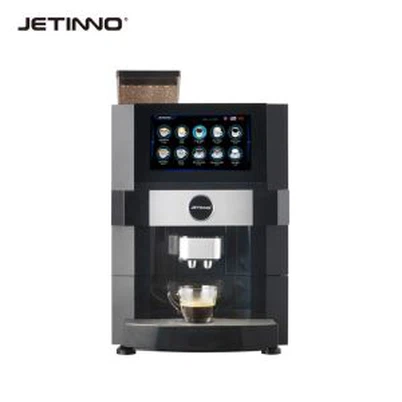
Next up: oat milk. This has blown up in the last few years, and it's become a staple for smart coffee vending machines, especially since so many customers are lactose intolerant or vegan. Here's the thing about oat milk for vending: not all brands are created equal. You need to pick barista-blended oat milk-look for ones that list "rapeseed oil" as an ingredient, because that makes it emulsify perfectly with hot coffee without separating. Regular oat milk can get weirdly gummy when heated, which is a nightmare for vending machine lines. We've tested several brands, and the barista versions work great in machines like our Free Standing Coffee Vending Machine touch vending machine 27inch (the one with the big touchscreen, super popular for malls). The only downside? Oat milk can go sour faster than dairy, so you can't let it sit in the reservoir for more than a day or two if your machine doesn't have a self-cleaning function. Pro tip: if you're running a high-traffic machine, rotate the milk stock every 2-3 days, and you'll avoid complaints about off-tasting drinks.
Almond milk is another plant-based option, but it's a bit trickier. A lot of customers ask for it, but we usually tell them to go with barista-blended almond milk too. Regular almond milk is super thin, so when you mix it with hot coffee, it can get watery and separate. Barista versions have added stabilizers that fix that, and they have a richer taste. That said, almond milk is more prone to clogging lines than oat milk because it has more pulp? Wait, no, actually- it's the stabilizers that can build up over time if you don't clean the machine regularly. If you do use almond milk, make sure your machine has a simple weekly cleaning cycle, which our Hot/ Cold Fresh Milk & Foam Commercial Coffee Machine (that's our fully automatic model) makes super easy, because it has self-cleaning programs for the milk lines. Another thing: some people love almond milk's nutty taste, but it's not for everyone, so we don't recommend it as the only plant-based option-keep oat milk as the main one.
Soy milk used to be the go-to plant-based milk, and it still works if you pick the right kind. Again, barista blend is key here. Regular soy milk can curdle when heated to coffee temperatures, which is a total mess. Barista soy milk is formulated to resist curdling, so it mixes smoothly. We've found that soy milk is less popular these days than oat or almond, but it's a good option for customers who prefer it. Just like almond milk, it can leave a slight residue on lines, so regular cleaning is a must. If you're using our Table top espresso coffee machine JL28 (our compact tabletop model), the cleaning cycle is quick, so it's not a big hassle even for small office staff who might handle it.
Now, let's talk about what to avoid at all costs. First, raw milk-this is a no-brainer for food safety, but some new operators might think "it's fresher, right?" No, raw milk can have bacteria that make people sick, and it's not pasteurized to withstand the heat of a vending machine. Curdled drinks = bad reviews = lost customers. Second, thick, artisanal dairy milks that are low in water content-they can clog lines, as I mentioned earlier. Third, sweetened flavored milks (like vanilla milk) unless your machine is specifically designed to handle added sugars. Wait, actually, some smart vending machines can dispense flavored syrups separately, so if you want to offer vanilla lattes, it's better to use plain milk and a syrup pump, rather than pre-flavored milk. Pre-flavored milk is thicker, more likely to clog, and it limits your menu. Stick to plain milk, then offer add-ons for custom drinks-customers love that flexibility, too.
Another big factor: the type of milk packaging. For our commercial machines, we recommend bag-in-box milk for high-traffic locations. It's airtight, so it stays fresh longer, and it dispenses smoothly without introducing air into the lines, which can cause foaming or clogging. For smaller tabletop machines, cartons work fine, as long as you don't leave them open for more than a day. We always remind our customers to check their milk expiration dates, too-even if it's "good" on the shelf, if it's past the date, it's not going to taste right, no matter how good the machine is.
Wait, let's get real here-we've had a few horror stories. A customer once tried using a bulk milk cooler that was way too big for their vending machine, so the milk sat in there for a week, went sour, and they had to replace all the lines. Another one used regular, non-barista almond milk, and within a week, the lines were so clogged the machine wouldn't dispense anything. That's why we always tell new operators: test a small batch first. Buy a few different types of milk, test them in your machine for a few days, see how they flow, how the drinks taste, and how much cleaning you have to do. Don't stock 50 cartons of something until you know it works.
Also, food safety is non-negotiable. Smart coffee vending machines have come a long way, but you still have to follow basic hygiene rules. Wipe down the milk dispensing area every day, change the milk lines every 3-6 months (depending on usage), and throw away any leftover milk in the reservoir if your machine doesn't have a self-drain function. If you're working with us, our team will walk you through all these steps when you get your machine, so you don't have to guess.
Let's wrap this up with a quick cheat sheet, because I know you're busy:
- Best for high-traffic machines (like our JL500-ESFB7C): Barista whole dairy milk or barista oat milk (bag-in-box)
- Best for small offices (like our JL28 tabletop): Barista oat milk or barista soy milk (carton)
- Best for vegan/plant-based lines: Barista oat milk first, barista almond milk second
- What to skip: Raw milk, non-barista blends, pre-flavored milk, thick artisanal dairy
At the end of the day, the right milk for your smart coffee vending machine depends on your location, your customer base, and the machine type. But if you stick to barista-blended options, follow basic cleaning routines, and test before you stock, you'll have happy customers and fewer headaches.
If you're looking to upgrade your vending machine setup or need help picking the right machine for your needs, don't hesitate to reach out to our team. We've got all the machines mentioned here and more, and we can help you figure out exactly what milk will work best for your space.
References:
- Specialty Coffee Association. (2022). Vending Machine Coffee Preparation Best Practices.
- Food and Agriculture Organization of the United Nations. (2021). Milk Handling and Food Safety in Automated Dispensing Equipment.
- Plant Based Foods Association. (2023). Barista Blended Plant-Based Milks: Performance in Hot Beverage Applications.
- National Automatic Merchandising Association. (2022). Smart Vending Machine Maintenance Guidelines for Beverage Dispensing.