
What are the factors affecting the taste of coffee from a cafe machine?
Leave a message

If you've ever stepped into a busy café and been handed a perfectly balanced espresso or a creamy latte from a sleek cafe machine, you might have wondered why that same drink often falls flat when you make it at home. As a supplier of commercial coffee machines, I've spent years troubleshooting, testing, and refining equipment to help businesses serve consistent, great-tasting coffee. Over that time, I've learned that the taste of coffee from a cafe machine isn't just about the quality of the beans-it's a chain of small, interconnected factors, many of which are specific to how these commercial machines are designed and used. Let's break down the key elements that shape every sip you pull from a cafe machine, and why choosing the right equipment makes all the difference.
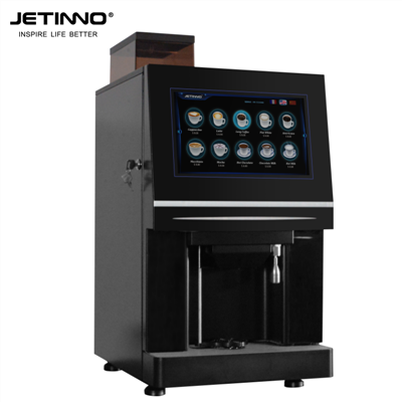
First, and arguably the most foundational factor, is the machine's brewing system-specifically how it handles water temperature, pressure, and flow rate. These variables are non-negotiable for espresso, for example: ideal brewing temperature sits between 195°F and 205°F (90.5°C to 96°C), with pressure hitting 9 bars to push hot water through ground coffee at the right speed. Too low a temperature and your coffee will taste flat, under-extracted, with notes of grain or unripe fruit; too high and it becomes bitter, over-extracted, with burnt or ashy aftertastes. Pressure is equally critical-if it's inconsistent, some parts of the coffee puck will be over-wetted and others under-wetted, leading to uneven flavor. Many entry-level cafe machines cut corners here, using manual pressure or temperature controls that rely on barista skill rather than built-in precision. For example, our Automatic coffee machines for coffee beans line features PID temperature control, which maintains exact brewing temperature throughout a long service run, so every drink is consistent even during a busy morning rush. This isn't a luxury-it's a necessity for businesses that can't afford to waste beans or turn away customers because of inconsistent brews.
Next, the type of machine you use plays a big role, especially when it comes to how the coffee is processed from bean to cup. Commercial cafe machines fall into a few main categories, each with distinct impacts on taste. Bean-to-cup machines, which grind and brew coffee in one step, are designed to lock in fresh, vibrant flavors because they only grind beans right before brewing-stale ground coffee can go rancid in minutes, so fresh grinding is a game-changer. For smaller cafes or retail spaces with limited counter space, our Table Top Coffee Machine bean to cup is a popular pick because it combines compact size with commercial-grade bean grinding, eliminating the need for separate grinders that can take up valuable space and add another variable (grinder burr quality) to the process. On the other hand, some cafes use split systems: separate grinders and espresso machines, which let baristas adjust grind size for different beans, but require more maintenance to keep both machines calibrated. There are also specialty models that do double duty, like our
Table Top Coffee Machine With Tea Brewer, which is perfect for spaces that serve both coffee and tea-this versatility ensures you don't have to sacrifice either beverage's taste to save space.
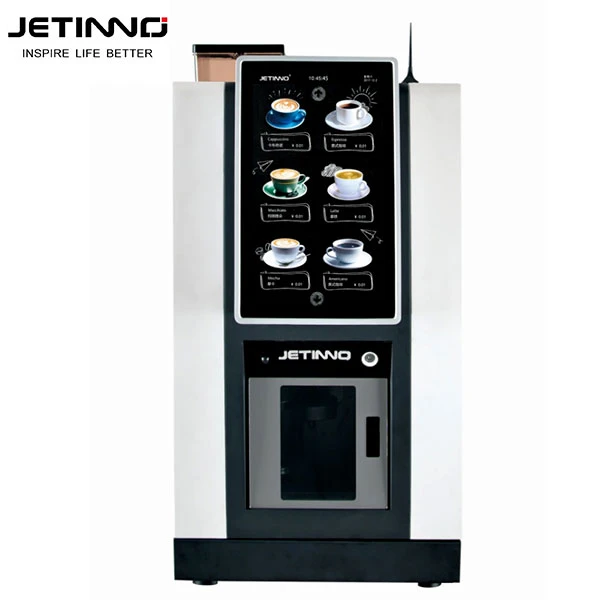
Water quality is another often-overlooked factor that can make or break coffee taste, and it's especially important for cafe machines that rely on consistent water flow and heating. Tap water varies wildly depending on location, with levels of minerals like calcium, magnesium, and chlorine affecting both the machine and the coffee. Hard water, for example, leaves limescale buildup inside the machine's boiler and lines, which insulates the heating element, causing temperature fluctuations over time. Limescale can also mix with the water, adding a metallic or chalky taste to coffee that's barely noticeable in small amounts but becomes prominent in large batches. Chlorine, a common additive in municipal water, can strip coffee of its subtle aromatic notes, making even high-quality beans taste dull. Most commercial cafe machines recommend a water filtration system, and as a supplier, we always advise pairing our equipment with quality filters-our Table Top Vending Machine Cup Incorporated Touch Coffee Machine models are pre-compatible with common filtration setups, so you don't have to retrofit expensive parts later. Many small business owners skip this step to save money, only to end up replacing their machine's boiler years early or serving coffee that customers complain tastes off. Even a $50 water filter is a tiny investment compared to a $1,000 boiler replacement or lost repeat customers.
Grind size and dose consistency, while technically related to grinder setup, are tightly tied to the cafe machine's performance. A good espresso machine can only work as well as the grind it's fed-too fine and the water can't flow through, leading to over-extracted bitter coffee; too coarse and the water rushes through, resulting in under-extracted sour coffee. For manual machines, baristas have to adjust grind size and tamp pressure (the amount of force applied to pack the coffee puck) by hand, which adds human error and slows down service. Automatic cafe machines, like our Coffee Maker Espresso Machine Desktop line, have built-in grind dosing systems that measure the exact amount of coffee per shot, so every puck is identical. This eliminates the guesswork for new baristas, reduces waste from bad shots, and ensures consistent flavor all day long. Even for split systems, pairing a high-quality commercial grinder with a precise espresso machine is key-cheap grinders with dull burrs produce uneven particle sizes, which leads to uneven extraction, no matter how good the machine's pressure is.
Maintenance and calibration are two factors that many cafe owners underestimate, but they're critical for long-term taste consistency. A cafe machine is a piece of equipment that needs regular care, just like a car-skip the oil changes and it breaks down; skip the machine's descaling, cleaning, and calibration and its taste will degrade over time. For example, the group head (the part that connects the machine to the portafilter) should be cleaned daily to remove old coffee oils, which can go rancid and mix with new shots, adding a stale taste. The steam wand, used for milk drinks like lattes and cappuccinos, needs to be purged after every use to remove leftover milk, which can sour and cause off-flavors. Over months, small parts like the pressure gauge or temperature sensor can drift out of calibration, leading to inconsistent brewing. That's why we offer free quarterly calibration check-ups for all our commercial machine clients-small, regular adjustments save you from having to troubleshoot bad drinks or costly repairs down the line.
Another less obvious factor is cup temperature, which impacts how coffee tastes as it cools. If you serve a hot espresso in a cold ceramic cup, the drink will cool too quickly, muting its sweet, fruity notes and making bitter flavors more prominent. Many cafe machines have cup warming trays, a simple feature that makes a big difference-warming cups to around 140°F (60°C) ensures your coffee stays at the ideal drinking temperature for longer, so every sip tastes as intended, not as a lukewarm afterthought. For businesses that serve a high volume of drinks, cup temperature might seem like a tiny detail, but regulars will notice if their latte tastes flat or sour just because it got cold too fast.
At the end of the day, the goal of any cafe machine is to deliver consistent, great-tasting coffee, even during the busiest rushes. As someone who works directly with cafe owners and managers, I've seen firsthand how choosing the right machine and paying attention to these factors can turn a good coffee spot into a loyal customer favorite. Whether you're a small retail space looking for a compact solution, a busy café needing automatic consistency, or a boutique shop wanting a tea and coffee hybrid, the right equipment is the foundation. If you're ready to upgrade your cafe machine or learn more about which model fits your space and needs, feel free to reach out to our team to discuss your specific requirements-we're here to help you serve coffee that keeps customers coming back.
References

- Illy, A., & Viani, R. (2005). Espresso Coffee: The Chemistry of Quality. Academic Press.
- International Coffee Organization. (2019). Water Quality in Coffee Brewing: Guidelines for Commercial Roasters and Cafés. ICO Technical Bulletin.
- Lelard, T., et al. (2021). The Impact of Grinding and Brewing Parameters on Espresso Coffee Flavor Profile. Journal of Food Science and Technology.
- Specialty Coffee Association. (2020). Coffee Brewing Standards: Best Practices for Commercial Equipment. SCA Certification Program.