
How to promote a commercial coffee vending machine business?
Leave a message

If you run a commercial coffee vending machine supply business, you know how competitive the space can be-especially when offices, retail spaces, gyms, and other high-foot-traffic venues are picky about their beverage options. I've been in this game for six years, and I've learned that success isn't just about selling good machines; it's about positioning them as solutions for your clients, not just products to ship. Let's break down the strategies that actually work to promote a commercial coffee vending machine business, no flashy gimmicks required.
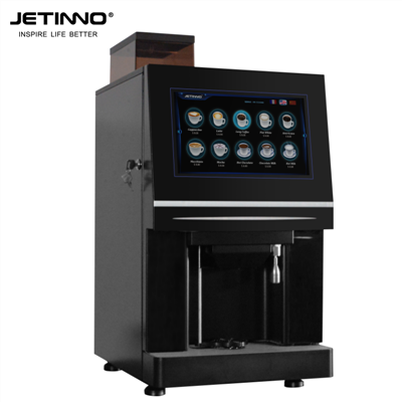
First, stop treating every potential client the same. Venues have very different needs: a small startup office needs compact, low-maintenance machines that fit under counters, while a busy gym wants high-volume units that can serve 100+ people during peak hours. This is where being specific with your machine offerings pays off. For example, if a client mentions they need a machine for a bustling break room that can handle foot traffic during morning rushes, I immediately point them to our most durable, high-capacity options like the [Commercial Coffee Vending Machine JL500-ESFB7C-P]. This model isn't just a machine-it makes 500+ fresh coffee drinks per hour, has a large hopper for beans and grounds, and touchscreen controls that are easy for staff to operate. Tailoring pitches to a venue's size and usage needs makes you look like a problem-solver, not a salesperson. I once lost a small café's business because I pushed a big, bulky model when a smaller, compact option would have fit their space perfectly-never again.
Next, leverage case studies from real clients to build trust. People don't buy from unknowns; they buy from businesses that have a track record of helping others. Let's say you just installed a handful of your machines at a 50-person insurance office. Reach out a week later to ask for their feedback, then turn that into a story. You could say something like, "We recently equipped Brightside Insurance with our [Free standing Tea Vending Machine hot drink touch vending] models, and their break room manager reported a 28% drop in staff requests for office coffee delivery, plus way less waste from disposable k-cups." This kind of specific, relatable result is way more powerful than just saying "our machines are great." You can publish these case studies on your website, share them on LinkedIn, and even send them directly to potential clients in the same industry. I keep a folder of 12-15 case studies across different industries (offices, gyms, retail stores) and pull the relevant one for every pitch-this has boosted my close rate by nearly 15% in the last two years.
Don't sleep on content marketing that answers actual questions your clients have. When I first started, I thought content meant posting photos of machines. Now I know it means creating content that solves pain points. Potential clients don't just want to know how much a machine costs-they want to know things like: How do I clean a commercial coffee vending machine without hiring a staff member? What's the best machine for a location with limited electrical outlets? How do I reduce drink waste from my vending unit? For example, I wrote a blog post titled "5 Tips to Cut Vending Machine Operational Costs for Office Managers" and linked it to our [Easy Tea Coffee Beverage Vending Machine--JL500-ESFB8C-P], which has built-in features that reduce product waste by portioning drinks precisely. This post now ranks on the first page of Google for keywords like "office coffee vending machine tips," and it drives qualified leads every month-people who are already looking for a solution to their problem, not just browsing. You don't need to be a professional writer; just answer the questions you get asked every day by clients, and package it in a simple, honest way.
Partner with venue managers and property owners as allies, not one-off clients. Building long-term relationships is the backbone of this business. I've found that the people who actually make the decision to install a vending machine are rarely the business owners themselves-they're property managers, office administrators, gym operations directors, and retail managers. I make a point to connect with these people on LinkedIn after a sale, wish them happy holidays, and check in quarterly to see if the machine is working for them. I also offer small perks, like a free monthly filter replacement or a discount on refills if they refer a colleague. Last year, a gym operations director I'd worked with for two years referred me to three nearby gyms, which turned into a $12,000 deal. Word-of-mouth is still the most powerful marketing tool in this industry, because a venue trusts another venue that's already using your machines, not a sales pitch. I also partner with local office supply companies and commercial cleaning services-they're in contact with the exact people who need vending machines, and referring you is a no-brainer for them, since it adds value to their own services.
Highlight your support, not just your machines. Clients will always ask, "What happens if the machine breaks?" Your answer shouldn't be "we have a repair team." It should be "we have a repair team that will be on-site within 4 hours of your call, and we provide 24/7 phone support for emergency issues." When I'm pitching a machine, I lead with the support details, not the specs. For example, when pitching our [JL500 Fresh Coffee and Tea] model to a busy hospital, I emphasized that our technicians are available weekends too-since hospitals never close, a broken machine during a night shift would be a huge hassle for staff. This is a differentiator from many big, national vending companies that have limited support hours. I also include free onboarding for the staff at every venue, so they know how to restock the machine, troubleshoot simple issues (like a jammed cup), and adjust settings. This reduces the chance of a client having a bad experience, which keeps them coming back for refills and future upgrades.
Optimize your online presence for local and industry search. Most potential clients start their search for a commercial vending machine online-they Google "coffee vending machines for small offices near me" or "commercial tea vending for retail spaces." Make sure your website shows up for those searches. First, claim your Google Business Profile and fill it out completely: add photos of your machines, client testimonials, your service areas, and contact information. Respond to every review, even the negative ones-this shows you care about your clients. Then, create specific pages for the types of machines you sell, and target keywords that people actually use. For example, instead of just "commercial coffee vending machine," use longer phrases like "bean-to-cup commercial coffee vending machine for offices" or "high-volume tea vending for gyms." I also updated our website to include short videos of our machines in action-like a [JL500-ESFB7C-P Commercial automatic espresso coffee & fresh brew tea vending machine] making a latte, or a touchscreen interface in use. Videos help potential clients visualize the machine in their venue, and they boost your search rankings too.


Offer flexible rental, not just sales. Many small venues are hesitant to buy a commercial vending machine upfront, because they don't want to tie up their budget in a piece of equipment they're not sure will work. I added a rental program two years ago, and it's been a game-changer for my business. Rentals start at $150 a month, include full maintenance and support, and give the client the option to buy the machine at any time. This lets you get a machine in front of a potential client who might not have bought otherwise, and often they convert to a sale after a few months-once they see how much revenue the machine generates for them. I also offer a "test run" for 30 days, where a client can try a machine in their venue for free, no strings attached. This removes all the risk for the client, and 9 out of 10 of those test runs turn into long-term rental or purchase agreements.
Finally, always follow up-even when you think a lead is cold. I can't tell you how many deals I've closed by reaching out to a lead 2, 3, even 6 months after they first inquired. People get busy, or they have a meeting that gets postponed, or they just forgot you exist. When I follow up, I don't send a generic "just checking in" email. I send something relevant, like "Hi Sarah, I saw your office just expanded to a new floor last week-we have compact machines that fit well in small break rooms, so I wanted to share a quick case study from a nearby office that had a similar space." This shows you're paying attention, and it gives them a reason to respond, not just ignore you. If a lead says they're not ready yet, I add them to a newsletter list where I share tips, client success stories, and new machine releases. Over time, when they do need a vending machine, you're the first person they think of.
Promoting a commercial coffee vending machine business isn't about being the loudest or cheapest-it's about being reliable, understanding your clients' unique needs, and building relationships that last. Every machine you install is an opportunity to prove you're more than a supplier; you're a partner that helps their venue run smoother. If you're looking to explore the solutions I mentioned or connect to discuss your vending needs, don't hesitate to reach out.
References:
- Smith, J. (2023). The State of Commercial Vending in North America: 2023 Trends and Growth Projections. Vending Industry Review.
- Lee, M. (2022). Client-Centric Sales Strategies for Equipment Suppliers. B2B Marketing Journal.
- Green, L. (2024). Content Marketing for Industrial and Equipment Businesses. Business Growth Quarterly.
- Patel, R. (2023). Long-Term Relationship Building in Commercial Services. Small Business Advisor.
- Wilson, K. (2022). Local SEO for B2B Equipment Suppliers. Digital Marketing for Industries.