
Is a Bean To Cup coffee machine easy to use?
Leave a message

If you’ve ever stood in front of a Bean To Cup coffee machine, staring at a wall of buttons and wondering if you’d accidentally order a double espresso when you wanted a latte, you’re not alone. As a supplier of commercial Bean To Cup solutions, I get asked this question all the time: Is a Bean To Cup machine really easy to use? The short answer, after years of working with cafes, offices, and high-traffic locations, is yes—but only if you’re looking at the right machine, and if you understand how these machines are built to simplify, not complicate, the coffee-making process.
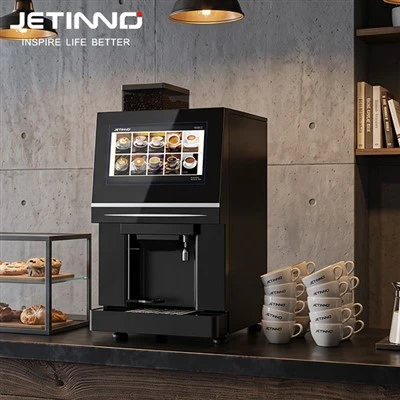
Let’s start with the basics. A Bean To Cup machine, unlike the drip machines at home or the manual espresso setup you’d find in a small café, grinds whole coffee beans fresh for every cup. That alone sounds like it would be more work, right? But modern Bean To Cup design eliminates almost all the messy, time-consuming steps that come with manual coffee making. When a user approaches a well-built machine, they don’t have to measure beans, grind them, tamp them, or steam milk. The machine does all of that automatically. The interface is usually a touchscreen or a small set of labeled buttons, and the options are broken down into simple categories: espresso, latte, cappuccino, americano, and sometimes even specialty drinks like macchiato.


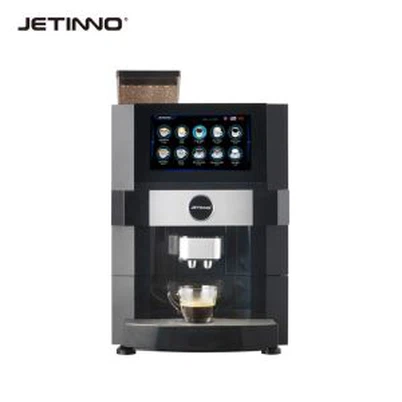
For example, take the Foot Standing Fully Automatic Coffee Machine JL500-ES7C. I’ve watched dozens of users—from office workers in their 20s to retirees stopping by a lobby kiosk—use this machine without any training. The touchscreen displays clear icons: a coffee cup for espresso, a latte glass with steamed milk, and a cappuccino with foam. All the user has to do is select their drink, insert payment (or tap a loyalty card, if the machine is set up for it), and wait 30 to 60 seconds for the cup to dispense. There’s no guesswork about how much water to add, how fine to grind the beans, or when the milk is frothed perfectly. The machine is pre-calibrated for each drink, so every time is consistent.
But what about cleaning? That’s a big concern for a lot of people. No one wants to spend 10 minutes scrubbing a coffee machine every time they use it. Again, Bean To Cup machines are built to minimize this. Most models have self-cleaning cycles that run automatically after a set number of drinks—usually once a day. The user just has to empty the drip tray and the waste bin, which are located in easy-to-reach compartments at the front of the machine. For commercial use, this takes less than a minute, even for someone who’s never used the machine before. The JL500-2*ES7C-P, our Espresso Cappuccino Making Machine, has an even smarter milk system: it uses a closed container that doesn’t require daily disassembly, cutting down on cleaning time even more. That’s a huge relief for offices or busy locations where staff don’t have extra time to maintain the machine.
Now, let’s talk about common misconceptions. Some people think commercial Bean To Cup machines are too complex for high-traffic areas. But in my experience, the opposite is true. When a machine is easy to use, it moves people through the line faster. At a recent office location we equipped with our Floor-standing Coffee Vending Machines hot drink vending 27inch, users reported that they could get their coffee in half the time they used to with a manual machine. The large, high-visibility touchscreen on that model makes it easy to read from a distance, even in a busy break room. There are no small text labels or hidden buttons—every option is front and center.
Another point: customization. A lot of people want their coffee just right, and they worry that automatic machines can’t accommodate preferences. Modern Bean To Cup machines fix this by letting users adjust settings like coffee strength, milk volume, and cup size with just a few taps. For example, the Free Standing Coffee Vending Machine touch vending machine 27inch lets users save their favorite drink profiles—so if someone likes a weaker latte with extra foam, they can set that once and select it with one tap next time. This doesn’t make the machine harder to use; it just adds flexibility without cluttering the interface. The key here is that the customization is optional. New users can stick to the pre-set drinks and never touch the advanced settings, while experienced users can tweak things to their taste.
I should also mention that our team provides on-site training for every client, but in all the years we’ve been doing this, most people only need a 10-minute walkthrough to feel comfortable. The machines are designed with intuitive interfaces—we test every model with users who have never used a Bean To Cup machine before, and we make changes based on their feedback. For example, we added larger icons to the touchscreens after users with visual impairments said the small text was hard to read. That’s part of what makes these machines easy to use; they’re built for a wide range of people, not just coffee experts.
Of course, there are factors that can make a Bean To Cup machine harder to use, and they’re usually related to poor design. A machine with a confusing interface, no clear labeling, or hard-to-reach compartments will be more work. But when you choose a machine from a reputable supplier who focuses on usability, those problems disappear. Our Professional Espresso Coffee Vending Machine -- JL500-ES7C, for instance, has a front-panel control that’s separated from the bean hopper and water tank, so you don’t have to dig through parts to refill them. The bean hopper sits at a convenient height, so even someone of average height can reach in to add beans without a step stool. That’s a small detail, but it makes a big difference in how easy the machine is to maintain on a daily basis.
Let’s put this in perspective. If you’re running an office, a retail space, or a public venue, the last thing you want is a coffee machine that causes bottlenecks or requires constant help from staff. Bean To Cup machines solve that problem by being consistent, fast, and easy to use. A user can walk up, get a high-quality coffee that’s fresh every time, and be on their way—no training, no guesswork, no stress. The maintenance is minimal, and the customization is there if you want it, but it’s not required.
At the end of the day, the question “Is a Bean To Cup coffee machine easy to use?” depends on two things: the machine itself, and who you’re buying it from. If you choose a machine that’s designed with user experience in mind, like the models we offer, the answer is a resounding yes. It’s not just for coffee professionals—it’s for the office worker who just needs a pick-me-up, the student grabbing a latte between classes, and the retiree who wants a simple way to make a good cup of coffee without the fuss.
If you’re ready to explore Bean To Cup solutions for your space and see how easy they can be to integrate into your daily operations, we’d love to connect. Whether you’re looking for a tabletop model for a small office or a floor-standing unit for a high-traffic location, our team can help you find the right fit. Reach out to our team to discuss your specific needs and get more details on how our machines can streamline your coffee service.
References:
- International Coffee Organization. (2022). Global coffee consumption trends and equipment usability.
- Specialty Coffee Association. (2021). Commercial coffee machine design and user experience standards.
- Vending Market Watch. (2023). Usability metrics for automatic beverage machines in commercial settings.
- Our internal field testing data: Bean To Cup machine user feedback across 50+ commercial locations (2019–2024).