
How to optimize the performance of a cafe machine?
Leave a message

As a supplier of cafe machines, I understand the importance of optimizing the performance of these essential devices. A well - performing cafe machine not only ensures high - quality beverages but also enhances customer satisfaction and boosts business efficiency. In this blog, I will share some practical tips on how to optimize the performance of a cafe machine.
Regular Cleaning and Maintenance
One of the most fundamental steps in optimizing the performance of a cafe machine is regular cleaning. Over time, coffee grounds, milk residues, and mineral deposits can accumulate inside the machine, which can clog the pipes, affect the taste of the beverages, and even cause mechanical failures.
- Daily Cleaning: At the end of each day, it is crucial to clean the group heads, portafilters, and steam wands. Remove any remaining coffee grounds from the portafilter and clean it with a brush. Use a cleaning tablet or solution to clean the group heads, following the manufacturer's instructions. Wipe down the steam wands with a damp cloth to prevent milk from drying and hardening.
- Weekly Deep Cleaning: Once a week, perform a more thorough cleaning of the machine. This may involve descaling the boiler to remove mineral deposits. Different machines have different descaling requirements, so it is important to refer to the user manual. Some machines come with a built - in descaling function, while others may require a descaling solution to be manually added to the water tank.
- Monthly Component Inspection: Every month, inspect the various components of the machine, such as the pumps, valves, and hoses. Look for any signs of wear and tear, leaks, or blockages. Replace any damaged parts immediately to prevent further damage to the machine.
Proper Water Quality
The quality of the water used in the cafe machine has a significant impact on its performance and the taste of the beverages. Hard water, which contains high levels of minerals such as calcium and magnesium, can cause scale buildup in the machine, reducing its efficiency and lifespan.
- Use Filtered Water: Install a water filtration system to remove impurities, minerals, and chlorine from the water. A good water filter can help prevent scale formation and improve the taste of the coffee and other beverages. There are different types of water filters available, including activated carbon filters, reverse osmosis filters, and water softeners. Choose a filter that is suitable for your machine and the quality of your local water.
- Monitor Water Hardness: Regularly test the water hardness to ensure that it is within the recommended range for your cafe machine. You can use a water hardness test kit, which is available at most hardware stores. If the water is too hard, you may need to adjust the filtration system or use a water softener.
Correct Bean Selection and Grinding
The choice of coffee beans and the grinding process play a crucial role in the performance of a cafe machine and the quality of the coffee.
- Select High - Quality Beans: Choose fresh, high - quality coffee beans from a reputable supplier. Different beans have different flavors and characteristics, so it is important to select beans that are suitable for your target market and the type of coffee you want to serve. For example, Arabica beans are known for their smooth, sweet flavor, while Robusta beans have a stronger, more bitter taste.
- Grind the Beans Fresh: Grinding the beans just before brewing ensures that the coffee has the best flavor and aroma. Use a high - quality grinder that can produce a consistent grind size. The grind size depends on the brewing method. For example, a fine grind is suitable for espresso, while a coarser grind is better for drip coffee.
- Adjust the Grind Settings: Regularly adjust the grind settings of the grinder to ensure that the coffee is brewed at the right strength. If the coffee is too weak, you may need to make the grind finer. If it is too strong, make the grind coarser.
Optimal Machine Settings
Each cafe machine has its own set of settings that can be adjusted to optimize its performance.
- Temperature Control: The temperature of the water used for brewing is critical for extracting the best flavor from the coffee. Most espresso machines operate at a temperature between 195°F and 205°F (90°C and 96°C). Adjust the temperature settings of your machine according to the type of coffee beans and the brewing method.
- Brewing Time: The brewing time also affects the taste of the coffee. For espresso, the brewing time is typically between 20 and 30 seconds. If the brewing time is too short, the coffee may be under - extracted and weak. If it is too long, the coffee may be over - extracted and bitter.
- Pressure Settings: In an espresso machine, the pressure is important for extracting the coffee. The ideal pressure for brewing espresso is around 9 bars. Make sure that the pressure settings of your machine are calibrated correctly.
Staff Training
Well - trained staff are essential for optimizing the performance of a cafe machine.

- Machine Operation Training: Provide comprehensive training to your staff on how to operate the cafe machine correctly. This includes how to load the beans, fill the water tank, clean the machine, and adjust the settings. Make sure that your staff understands the importance of following the manufacturer's instructions.
- Beverage Preparation Training: Train your staff on how to prepare different types of beverages, such as espresso, cappuccino, and latte. Teach them the correct ratios of coffee, milk, and other ingredients, as well as the proper techniques for steaming the milk.
- Troubleshooting Training: Equip your staff with the knowledge and skills to troubleshoot common problems with the cafe machine. This can help minimize downtime and ensure that the machine is always in good working condition.
Upgrading and Modernizing
As technology advances, upgrading your cafe machine can significantly improve its performance.
- Software Updates: Many modern cafe machines come with software that can be updated to improve their functionality. Check with the manufacturer regularly for software updates and install them as soon as they are available.
- Component Upgrades: Consider upgrading some of the components of your cafe machine, such as the grinder, the boiler, or the pump. Upgrading these components can improve the quality of the beverages and increase the efficiency of the machine.
Our Product Recommendations
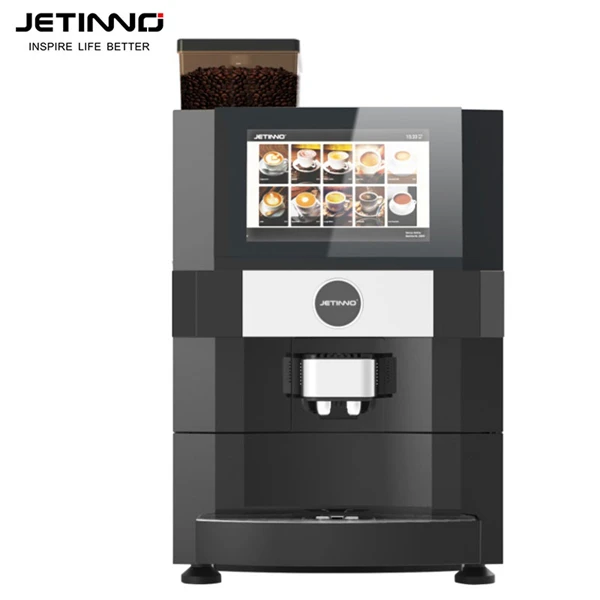
We offer a range of high - quality cafe machines that are designed to provide optimal performance. For example, our Tabletop 10 inch Automatic Coffee Vending Machine is perfect for small cafes or offices. It is easy to operate and can produce a variety of coffee and tea beverages. Our
Fresh Coffee Hot Chocolate Vending Machine is a great option for those who want to offer a wider range of hot beverages. And our
Fresh Tea Coffee Machine Commercial Vending Machine -- JL26-ESFB4C-P is suitable for commercial use, with its large capacity and advanced features.
If you are interested in optimizing the performance of your cafe machine or are looking to purchase a new one, please feel free to contact us for more information and to discuss your specific needs. We are committed to providing you with the best solutions for your cafe business.
References
- "The Coffee Roaster's Companion" by Scott Rao
- "Espresso Coffee: The Science of Quality" by Illy and Viani