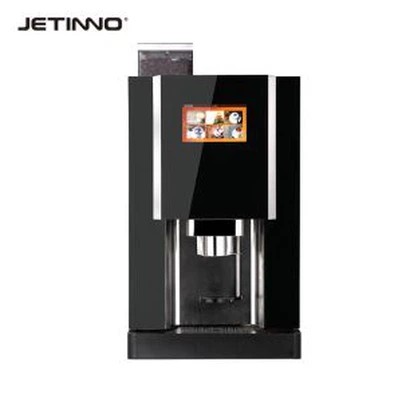

How to improve the taste of coffee from a commercial espresso coffee machine?
Leave a message

As a commercial supplier of espresso coffee machines, I've witnessed firsthand the pivotal role that coffee quality plays in the success of cafes, restaurants, offices, and other commercial establishments. A great-tasting cup of coffee can elevate the customer experience, build brand loyalty, and drive business growth. However, achieving that perfect cup of espresso from a commercial machine can be a challenge, even for experienced baristas. In this blog post, I'll share some practical tips and strategies to help you improve the taste of coffee from your commercial espresso coffee machine.
1. Start with High-Quality Coffee Beans
The foundation of a great cup of coffee is high-quality coffee beans. The type of beans, their origin, roast level, and freshness all significantly impact the flavor of the coffee. When selecting coffee beans for your commercial espresso machine, consider the following factors:
- Origin: Different coffee-growing regions around the world produce beans with distinct flavor profiles. For example, beans from Ethiopia are known for their bright acidity and floral notes, while beans from Brazil tend to have a more chocolatey and nutty flavor. Experiment with beans from different regions to find the ones that suit your customers' preferences.
- Roast Level: The roast level of the coffee beans affects the flavor, aroma, and body of the coffee. Light roasts preserve more of the bean's original flavor and acidity, while dark roasts develop a richer, more intense flavor with less acidity. Medium roasts offer a balance between the two. Choose a roast level that complements the flavor profile of the beans and the style of coffee you want to serve.
- Freshness: Freshly roasted coffee beans have a more vibrant flavor and aroma than beans that have been sitting on the shelf for a long time. Look for coffee beans that have been roasted within the last two weeks, and store them in an airtight container away from light, heat, and moisture to preserve their freshness.
2. Grind the Coffee Beans Properly
The grind size of the coffee beans is crucial for extracting the right amount of flavor and aroma from the beans. If the grind is too coarse, the water will pass through the coffee too quickly, resulting in a weak and under-extracted coffee. If the grind is too fine, the water will have a hard time passing through the coffee, leading to a bitter and over-extracted coffee.

- Use a Burr Grinder: A burr grinder produces a more consistent grind size than a blade grinder, which is essential for achieving a balanced extraction. Invest in a high-quality burr grinder that allows you to adjust the grind size to suit your specific espresso machine and brewing method.
- Adjust the Grind Size: The optimal grind size for espresso is typically finer than for other brewing methods. However, the exact grind size may vary depending on the type of espresso machine you're using, the freshness of the coffee beans, and the brewing parameters. Start with a medium-fine grind and adjust it based on the taste and extraction time of your coffee.
3. Control the Brewing Parameters
The brewing parameters, such as water temperature, brewing time, and coffee-to-water ratio, have a significant impact on the taste of the coffee. By controlling these parameters, you can ensure that your coffee is brewed to perfection every time.
- Water Temperature: The ideal water temperature for brewing espresso is between 195°F and 205°F (90°C and 96°C). Water that is too hot can over-extract the coffee, resulting in a bitter taste, while water that is too cold can under-extract the coffee, resulting in a weak and flavorless cup. Use a thermometer to monitor the water temperature and adjust it as needed.
- Brewing Time: The brewing time for espresso is typically between 20 and 30 seconds. A shorter brewing time may result in an under-extracted coffee, while a longer brewing time may lead to an over-extracted coffee. Pay attention to the extraction time and adjust the grind size or brewing pressure to achieve the desired extraction time.
- Coffee-to-Water Ratio: The coffee-to-water ratio for espresso is typically 1:2, meaning that for every gram of coffee, you use two grams of water. However, the exact ratio may vary depending on the type of espresso machine you're using and the taste preferences of your customers. Experiment with different ratios to find the one that produces the best-tasting coffee.
4. Maintain Your Espresso Machine
Regular maintenance of your commercial espresso machine is essential for ensuring its optimal performance and the quality of the coffee it produces. A well-maintained machine will extract the coffee more efficiently, resulting in a better-tasting cup of coffee.
- Clean the Group Head: The group head is the part of the espresso machine where the coffee grounds are packed and the water is forced through. Over time, coffee residue can build up in the group head, affecting the extraction process and the taste of the coffee. Clean the group head daily using a group head brush and a cleaning solution to remove any coffee residue.
- Descale the Machine: Hard water contains minerals that can build up inside the espresso machine over time, causing it to malfunction and affecting the taste of the coffee. Descale the machine regularly using a descaling solution to remove any mineral deposits and keep the machine running smoothly.
- Replace the Filters: The filters in the espresso machine help to remove any impurities from the water and ensure that the coffee is brewed with clean water. Replace the filters regularly according to the manufacturer's instructions to maintain the quality of the coffee.
5. Train Your Baristas
Your baristas play a crucial role in the quality of the coffee they serve. By providing them with proper training and education, you can ensure that they have the skills and knowledge necessary to make great-tasting coffee consistently.
- Teach the Basics: Start by teaching your baristas the basics of coffee brewing, including the different types of coffee beans, roast levels, grind sizes, and brewing parameters. Make sure they understand how these factors affect the taste of the coffee and how to adjust them to achieve the desired flavor.
- Practice Latte Art: Latte art is not only a fun and creative way to enhance the presentation of your coffee, but it also requires a certain level of skill and technique. Teach your baristas how to make latte art and encourage them to practice regularly to improve their skills.
- Provide Feedback: Regularly provide your baristas with feedback on their performance and the quality of the coffee they're making. Encourage them to ask questions and seek help when needed, and recognize and reward them for their hard work and achievements.
Our Commercial Espresso Coffee Machines
At our company, we offer a wide range of commercial espresso coffee machines to meet the needs of different businesses. Our machines are designed to be easy to use, reliable, and produce high-quality coffee consistently. Here are some of our popular products:
- Tabletop 10 inch Automatic Coffee Vending Machine: This compact and versatile coffee vending machine is perfect for small offices, cafes, and restaurants. It can make a variety of coffee and tea beverages, including espresso, cappuccino, latte, and hot chocolate, with just the touch of a button.
- Coffee Vending Machine de coffee cups 14inch touch vending machine: This advanced coffee vending machine features a 14-inch touch screen display and can dispense up to 14 different types of coffee and tea beverages. It also has a built-in cup dispenser and can be customized to suit your specific needs and preferences.
- JL26-ES4C table top coffee vending machine: This innovative tea vending machine is designed to brew ground leaf tea using a patented brewing system. It can make a variety of tea beverages, including black tea, green tea etc, with just the touch of a button.
Contact Us for Purchase and Negotiation
If you're interested in purchasing a commercial espresso coffee machine or have any questions about our products, please don't hesitate to contact us. Our team of experts is available to provide you with more information, answer your questions, and help you find the right machine for your business. We look forward to working with you to improve the taste of your coffee and enhance the customer experience at your establishment.
References
- Illy, F., & Viani, R. (2005). Espresso coffee: The science of quality. Academic Press.
- Thurston, R. (2018). The coffee lover's companion: A guide to the world's best beans, roasts, and brews. Hachette UK.
- Schomer, S. (2008). The professional barista's handbook. Micro Mill Press.