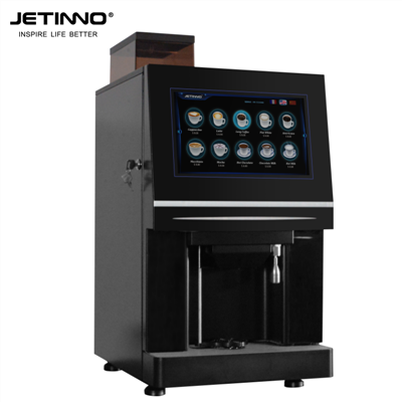

What is the pressure rating of a good commercial coffee machine?
Leave a message

Determining the appropriate pressure rating for a good commercial coffee machine is crucial for businesses in the hospitality and food service industry. The pressure rating affects the quality of the coffee extraction, the crema on espresso, and the overall efficiency and durability of the machine. As a supplier of commercial coffee machines, we understand the significance of pressure ratings and how they can impact your business.
Understanding Pressure Ratings in Coffee Machines
The pressure rating of a coffee machine is typically measured in bars, a metric unit of pressure. In the context of coffee machines, pressure is used to force hot water through the ground coffee, extracting the flavors and oils that give coffee its characteristic taste and aroma. Higher pressure can lead to a more efficient extraction process, resulting in a richer and more flavorful cup of coffee.
For espresso machines, which are designed to produce concentrated coffee with a thick layer of crema, a pressure of 9 bars is generally considered the standard. This pressure allows the water to extract the maximum amount of flavor from the coffee grounds in a short period, typically around 25 - 30 seconds. However, some high - end espresso machines can reach pressures of up to 15 bars, which may result in an even more intense extraction.
Importance of the Right Pressure Rating
- Quality of Extraction: The right pressure ensures that the coffee is extracted evenly, without over - extracting or under - extracting. Under - extraction can result in a weak and sour coffee, while over - extraction can make the coffee bitter. A well - calibrated pressure rating helps to achieve the perfect balance of flavors in every cup.
- Crema Production: For espresso, the crema is an important visual and taste component. A pressure of around 9 bars is ideal for creating a thick, golden - brown crema. The pressure forces the coffee oils and gases to emulsify, creating the characteristic frothy layer on top of the espresso.
- Efficiency: A machine with the appropriate pressure rating can produce coffee more quickly and consistently. This is especially important in a commercial setting where multiple orders need to be fulfilled in a short time.
Different Types of Commercial Coffee Machines and Their Pressure Requirements
- Espresso Machines: As mentioned earlier, traditional espresso machines usually operate at 9 bars. However, some super - automatic espresso machines, like the Espresso Cappuccino Making Machine--JL500 - 2*ES7C - P, are designed to maintain a stable 9 - bar pressure throughout the extraction process, ensuring consistent quality in every shot of espresso.
- Filter Coffee Machines: Filter coffee machines typically require lower pressures compared to espresso machines. They usually operate at around 1 - 2 bars. These machines rely on gravity or a gentle pump to pass water through the coffee grounds. Our Tabletop Hot Drinks Machines Fresh Coffee JL28 is designed to work at an optimal low pressure to produce a smooth and flavorful filter coffee.
- Vending Coffee Machines: Vending machines need to be versatile and able to produce different types of coffee quickly. For vending machines that offer espresso, they should be able to reach 9 bars of pressure. Our Coin Operated Automatic Tea Coffee Vending Machine is engineered to provide the right pressure for both espresso - based drinks and regular filter coffee, catering to a wide range of customer preferences.
Factors Affecting Pressure Rating
- Pump Type: The type of pump used in a coffee machine plays a significant role in determining the pressure rating. There are two main types of pumps: vibratory pumps and rotary pumps. Vibratory pumps are commonly used in entry - level and mid - range machines. They are less expensive but may produce a less stable pressure. Rotary pumps, on the other hand, are more expensive but offer a more consistent and stable pressure, making them ideal for high - end commercial machines.
- Machine Design: The internal design of the coffee machine, including the size and shape of the water channels and the brewing chamber, can also affect the pressure. A well - designed machine will minimize pressure losses and ensure that the water is delivered to the coffee grounds at the correct pressure.
- Maintenance: Regular maintenance of the coffee machine is essential for maintaining the pressure rating. Clogged filters, worn - out seals, or a dirty pump can all cause a decrease in pressure. It is important to follow the manufacturer's maintenance guidelines to keep the machine operating at its optimal pressure.
Our Product Range and Pressure Ratings
At our company, we offer a wide range of commercial coffee machines with different pressure ratings to meet the diverse needs of our customers. Our Floor Standing Coffee Machine With Dispenser JL500 is a versatile machine that can produce both espresso and filter coffee. It is equipped with a high - quality pump that can maintain a stable 9 - bar pressure for espresso extraction and a lower pressure for filter coffee.
If you are looking for a unique vending solution, our JL500 - IN8CPI Protein Shake Vending Machine is also available. While it is mainly focused on protein shakes, it also showcases our expertise in designing and manufacturing reliable vending equipment.
Choosing the Right Pressure Rating for Your Business
When choosing a commercial coffee machine, it is important to consider the type of coffee you want to serve and the volume of business. If you are mainly serving espresso - based drinks, a machine with a 9 - bar pressure rating is essential. For businesses that focus on filter coffee, a lower - pressure machine may be more suitable.
It is also important to consider the long - term costs of the machine, including maintenance and energy consumption. A high - quality machine with a stable pressure rating may have a higher upfront cost but can save you money in the long run by reducing the need for repairs and producing consistent quality coffee.
Conclusion
The pressure rating of a commercial coffee machine is a critical factor that can significantly impact the quality of your coffee and the success of your business. By understanding the different pressure requirements for various types of coffee machines and considering the factors that affect pressure, you can make an informed decision when choosing a machine for your commercial establishment.
We are here to assist you in selecting the perfect coffee machine for your business. Whether you are a small café, a large restaurant, or a vending machine operator, we have the expertise and the product range to meet your needs. Contact us today to start a conversation about your coffee machine requirements and take the first step towards enhancing your coffee service.

References
- Illy, Francesco, and Ric Rhinehart. Espresso Coffee: The Science of Quality. Academic Press, 2015.
- Thompson, Christopher. The Coffee Roaster's Companion. Roast magazine, 2016.