
What is the difference between a snack vending machine and a beverage vending machine?
Leave a message

As a supplier of vending machines, I often encounter customers who are confused about the differences between snack vending machines and beverage vending machines. In this blog post, I will delve into the key distinctions between these two types of vending machines to help you make an informed decision when considering a purchase.
1. Product Offerings
The most obvious difference between snack vending machines and beverage vending machines lies in the products they dispense.
Snack Vending Machines
Snack vending machines are designed to offer a wide variety of snacks. These can include chips, cookies, granola bars, nuts, and candy. The selection is often tailored to appeal to different tastes and dietary preferences. For example, some machines may offer healthy snack options like rice cakes and dried fruits alongside traditional junk food. The packaging of snacks in these machines is typically small and easy to handle, allowing for quick consumption.
Beverage Vending Machines
Beverage vending machines, on the other hand, focus on providing a range of drinks. This can include carbonated soft drinks, bottled water, juices, energy drinks, and coffee. Some advanced beverage vending machines can even dispense freshly brewed coffee or tea. The containers for beverages can vary from small cans to large bottles, and the machines are equipped to handle different sizes and shapes.
2. Machine Design and Mechanics
The design and mechanics of snack and beverage vending machines are also quite different.
Snack Vending Machines
Snack vending machines usually have a series of spiral coils or trays. When a customer selects a snack, the corresponding coil or tray rotates, pushing the snack down to the pickup area. This design allows for efficient storage of multiple snack items in a relatively small space. However, it also means that the size and shape of the snacks need to be compatible with the coil or tray system.
Beverage Vending Machines
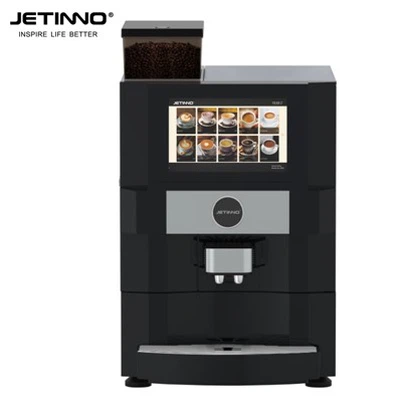
Beverage vending machines are designed to hold and dispense liquid products. They often use a combination of shelves, racks, and dispensing mechanisms. For canned beverages, the machines may use a gravity - fed system where the cans roll down a track to the pickup area. For bottled drinks, there are usually holders that release the bottles when selected. In the case of coffee and tea vending machines, they are equipped with brewing systems, water tanks, and ingredient compartments. For instance, the Easy Tea Coffee Beverage Vending Machine--JL500 - ESFB8C - P is a state - of - the - art machine that can brew a variety of hot and cold beverages with precision.
3. Maintenance Requirements
Both types of vending machines require regular maintenance, but the nature of the maintenance tasks differs.
Snack Vending Machines
The main maintenance tasks for snack vending machines include restocking the snacks, cleaning the interior to remove crumbs and debris, and checking the coil or tray mechanisms for any jams. Since snacks can attract insects and rodents, it is also important to keep the machine clean to prevent infestations.
Beverage Vending Machines
Beverage vending machines have more complex maintenance requirements. In addition to restocking the beverages, they need regular cleaning of the dispensing nozzles, water tanks, and brewing systems to prevent the growth of bacteria and mold. For coffee vending machines, the grinder and brewing components need to be maintained to ensure the quality of the coffee. For example, the Foot Standing Fully Automatic Coffee Machine JL500 - ES7C requires regular descaling to keep the brewing process efficient.
4. Pricing and Profit Margins
The pricing and profit margins of snack and beverage vending machines can vary.
Snack Vending Machines
Snacks generally have a lower cost of goods compared to beverages. However, the profit margins on snacks can be affected by factors such as competition, brand popularity, and the cost of restocking. Since snacks are often impulse purchases, the volume of sales can be high, which can lead to a decent profit if managed properly.
Beverage Vending Machines
Beverages, especially specialty coffee and energy drinks, can have higher profit margins. However, the initial investment in a high - quality beverage vending machine can be substantial. Additionally, the cost of ingredients for freshly brewed beverages and the need for regular maintenance can eat into the profit margins. The Cashless Payment Vending Bean To Cup Coffee Equipment offers advanced features but also comes with a higher price tag and maintenance cost.
5. Customer Preferences and Market Demand
Understanding customer preferences and market demand is crucial when deciding between a snack and a beverage vending machine.
Snack Vending Machines
Snack vending machines are popular in locations where people are looking for a quick bite, such as offices, schools, and factories. They are also a good option in areas where there is limited access to food. Customers may choose snacks based on their hunger level, taste preferences, and dietary restrictions.
Beverage Vending Machines
Beverage vending machines are in high demand in places like gyms, transportation hubs, and public areas. The demand for different types of beverages can vary depending on the location and the time of day. For example, coffee is more popular in the morning, while soft drinks and water are in demand throughout the day.
6. Location Suitability
The location where the vending machine will be placed is an important factor to consider.
Snack Vending Machines
Snack vending machines are well - suited for locations with a high footfall of people who are likely to have a snack break, such as break rooms in offices or near classrooms in schools. They can also be placed in areas where there are no nearby food options.
Beverage Vending Machines
Beverage vending machines are ideal for locations where people need to stay hydrated or want a quick pick - me - up. This includes fitness centers, train stations, and outdoor events. They can also be placed in areas where there is a high demand for specific beverages, such as coffee in a business district.
In conclusion, snack vending machines and beverage vending machines have distinct differences in terms of product offerings, design, maintenance, pricing, customer preferences, and location suitability. As a vending machine supplier, I can help you choose the right type of machine based on your specific needs and the requirements of your target location. If you are interested in purchasing a vending machine or have any questions about our products, please feel free to contact us for a detailed consultation. We look forward to working with you to find the perfect vending solution for your business.


References
- "Vending Machine Operations and Management" by John Doe
- "The Economics of Vending" by Jane Smith
- Industry reports from the Vending Machine Association