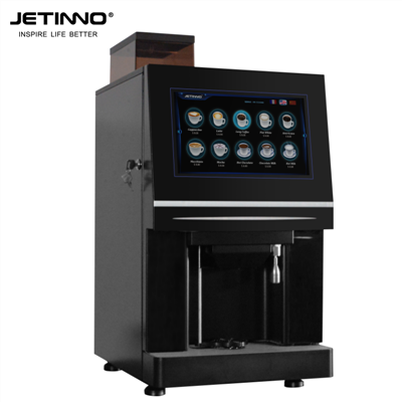

How to ensure the quality of coffee from a commercial coffee vending machine?
Leave a message

How to Ensure the Quality of Coffee from a Commercial Coffee Vending Machine?
As a supplier of commercial coffee vending machines, we understand that the quality of coffee dispensed from these machines is of utmost importance to our customers. Whether it's in an office, a hotel, a hospital, or a public venue, high - quality coffee can significantly enhance the user experience and satisfaction. In this blog, we will discuss several key factors and strategies to ensure that the coffee from commercial coffee vending machines meets the desired quality standards.
1. Select the Right Coffee Vending Machine
The first step in ensuring high - quality coffee is to choose the appropriate vending machine. Our company offers a range of excellent models, such as the JL220-ES6C-I Espresso Capuccino Automcatic Coffee Vending Machine,
Free standing Tea Vending Machine hot drink touch vending,
JL500 - ESFB7C - P Commercial automatic espresso coffee & fresh brew tea vending machine,
Coffee Vending Machine JL300, and
JL500 - ESFB7CP Automatic Touch Panel Espresso Tea Coffee Vending Machine. These machines are designed with advanced technology to control the brewing process accurately.
Look for machines that have features like precise temperature control, customizable brewing settings, and high - pressure extraction capabilities. For example, a machine with precise temperature control can ensure that the water used for brewing is at the optimal temperature, usually between 195°F and 205°F (90.5°C and 96°C), which is crucial for extracting the best flavors from the coffee grounds.

2. Use High - Quality Coffee Beans
The quality of the coffee beans is the foundation of a great cup of coffee. Source beans from reputable suppliers who offer fresh, high - grade beans. Arabica beans are often preferred for their smooth flavor, lower acidity, and higher sugar content compared to Robusta beans. However, a blend of Arabica and Robusta can also create a well - balanced coffee with enhanced body and caffeine content.
Make sure the beans are stored properly to maintain their freshness. They should be kept in a cool, dry place away from direct sunlight and strong odors. Most coffee beans are at their peak flavor within two weeks of roasting, so try to use beans that are recently roasted.
3. Proper Grinding of Coffee Beans
If your vending machine uses whole beans, the grinding process is essential. The grind size can greatly affect the extraction of flavors. For a commercial coffee vending machine, a medium - fine grind is typically a good choice for espresso - style coffee, while a coarser grind is suitable for drip - style coffee.
Modern vending machines often have built - in grinders that can be adjusted to achieve the desired grind size. Regularly clean the grinder to prevent the buildup of old coffee grounds, which can affect the flavor of subsequent brews.
4. Control the Water Quality
Water is the main ingredient in coffee, accounting for about 98% of the final product. Poor - quality water can have a negative impact on the taste of the coffee. Use filtered or purified water in your vending machines. This helps to remove impurities such as chlorine, heavy metals, and minerals that can alter the flavor of the coffee.
Test the water regularly to ensure its quality remains consistent. The ideal water hardness for brewing coffee is between 50 and 150 parts per million (ppm). Water that is too hard or too soft can result in under - or over - extraction of the coffee flavors.
5. Calibrate the Brewing Process
Each vending machine model has its own set of brewing parameters. It is crucial to calibrate these parameters according to the specific coffee beans and the desired taste profile. This includes adjusting the water - to - coffee ratio, the brewing time, and the pressure (for espresso machines).
For example, a general rule of thumb for the water - to - coffee ratio is about 1:16 to 1:18, meaning 1 gram of coffee for every 16 - 18 grams of water. However, this ratio can be adjusted based on personal preferences and the type of coffee beans used.
Regularly check and calibrate the vending machine to ensure that it maintains the correct brewing parameters over time. Changes in environmental conditions, such as temperature and humidity, can affect the brewing process, so periodic calibration is necessary.
6. Maintain and Clean the Vending Machine Regularly
Proper maintenance and cleaning are vital for ensuring the quality of coffee from a commercial vending machine. A dirty machine can harbor bacteria, mold, and coffee residue, which can contaminate the coffee and affect its taste.
Clean the brewing unit, the water tank, the grinder (if applicable), and all the dispensing nozzles on a regular basis. Follow the manufacturer's cleaning instructions carefully. Use approved cleaning agents to avoid damaging the machine.
In addition to regular cleaning, schedule preventive maintenance checks. This includes inspecting the internal components, such as pumps, valves, and heaters, to ensure they are in good working condition. Replace any worn - out parts promptly to prevent breakdowns and maintain the quality of the coffee.
7. Train the Staff or Users
If the vending machine is installed in a public or workplace setting, it's important to train the staff or users on how to operate the machine correctly. This ensures that they can make the most of the machine's features and get high - quality coffee every time.
Provide training on how to select the right settings, such as the coffee strength and temperature. Also, educate them on the importance of using the machine properly and following any instructions for adding ingredients or cleaning the machine after use.
8. Monitor and Get Feedback
Regularly monitor the performance of the vending machine and collect feedback from the users. This can help you identify any issues with the coffee quality, such as inconsistent taste, weak flavor, or strange odors.
Use the feedback to make necessary adjustments to the brewing process, the choice of coffee beans, or the machine settings. This continuous improvement approach will ensure that the coffee from the vending machine consistently meets the high - quality standards expected by your customers.
Conclusion
Ensuring the quality of coffee from a commercial coffee vending machine requires a combination of factors, including choosing the right machine, using high - quality ingredients, proper maintenance, and continuous monitoring. As a supplier of commercial coffee vending machines, we are committed to providing you with the best products and support to help you achieve excellent coffee quality.
If you are interested in our commercial coffee vending machines or have any questions about ensuring coffee quality, please feel free to contact us for a procurement consultation. We look forward to working with you to bring the best coffee experience to your customers or employees.
References
- Illy, E., & Tringali, V. (2014). The Coffee Coffee: From Bean to Cup. Rizzoli New York.
- Stewart, J. (2018). Coffee: A Global History. Reaktion Books.
- Taneka, C. (2019). The Science of Coffee. Springer.