
How does the roast date of beans impact Espresso's flavor profile?
Leave a message

As a dedicated supplier of Espresso coffee, I've witnessed firsthand the profound impact that the roast date of coffee beans can have on the flavor profile of Espresso. In this blog, I'll delve into the science behind this relationship, exploring how different roast dates influence the taste, aroma, and overall quality of Espresso.
The Roasting Process and Its Impact on Flavor
The roasting process is a crucial step in coffee production that transforms green coffee beans into the aromatic and flavorful beans we know and love. During roasting, the beans undergo a series of chemical reactions that determine their flavor, aroma, and color. The degree of roast, which is determined by the length and temperature of the roasting process, plays a significant role in shaping the flavor profile of the coffee.

There are three main types of coffee roasts: light, medium, and dark. Light roasts are roasted for a shorter period at a lower temperature, resulting in a lighter color and a more delicate flavor profile. Medium roasts are roasted for a slightly longer period at a higher temperature, resulting in a medium color and a more balanced flavor profile. Dark roasts are roasted for the longest period at the highest temperature, resulting in a dark color and a bold, intense flavor profile.
How Roast Date Affects Espresso Flavor
The roast date of coffee beans is a critical factor that can significantly impact the flavor profile of Espresso. Freshly roasted coffee beans have a more vibrant and complex flavor profile than beans that have been sitting on the shelf for an extended period. This is because the volatile compounds responsible for the coffee's aroma and flavor begin to degrade over time, resulting in a loss of flavor and aroma.
When coffee beans are roasted, they release carbon dioxide gas, which helps to preserve the flavor and aroma of the beans. However, as the beans age, the carbon dioxide gas begins to escape, and the flavor and aroma of the beans begin to deteriorate. This is why it's essential to use freshly roasted coffee beans when making Espresso.
The Ideal Roast Date for Espresso
The ideal roast date for Espresso depends on personal preference and the type of coffee beans being used. Generally, it's recommended to use coffee beans that have been roasted within the last two weeks for the best flavor and aroma. However, some people prefer a more aged flavor profile and may choose to use coffee beans that have been roasted within the last four weeks.
It's also important to note that the flavor profile of Espresso can vary depending on the roast date of the coffee beans. For example, freshly roasted coffee beans may have a more acidic and fruity flavor profile, while aged coffee beans may have a more mellow and nutty flavor profile.
The Role of Roast Date in Espresso Extraction
The roast date of coffee beans can also impact the extraction process when making Espresso. Freshly roasted coffee beans tend to have a higher concentration of carbon dioxide gas, which can make it more challenging to extract the coffee evenly. This is because the carbon dioxide gas can cause the coffee to bubble and foam, resulting in an uneven extraction.
To overcome this challenge, it's recommended to use a slightly coarser grind size when using freshly roasted coffee beans. This will help to allow the carbon dioxide gas to escape more easily, resulting in a more even extraction. Additionally, it's important to use a consistent brewing temperature and pressure when making Espresso to ensure a consistent flavor profile.
The Importance of Freshness in Espresso
As a supplier of Espresso coffee, I understand the importance of freshness in delivering a high-quality product. That's why we take great care to ensure that our coffee beans are roasted to perfection and delivered to our customers as quickly as possible.
We also recommend that our customers store their coffee beans in an airtight container at room temperature to help preserve the flavor and aroma of the beans. Additionally, it's important to grind the coffee beans just before brewing to ensure the freshest possible flavor.
Recommended Coffee Machines for Espresso
To help you enjoy the best possible Espresso experience, we recommend the following coffee machines:
- Coffee Fresh Coffee Machine Fully Automatic --JL26-ESFB4C: This fully automatic coffee machine is designed to brew fresh, delicious Espresso with ease. It features a built-in grinder, a milk frother, and a programmable brewing system, making it the perfect choice for home or office use.
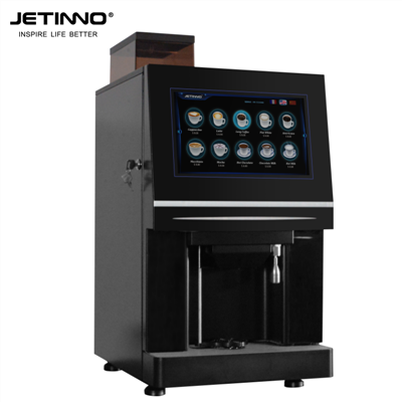
- Fully Automatic Espresso Cappuccino Machine Maker --Jetinno JL24-ES4C: This fully automatic Espresso machine is designed to brew delicious Espresso and cappuccino with ease. It features a built-in grinder, a milk frother, and a programmable brewing system, making it the perfect choice for home or office use.About the programmable brewing system:High-Efficiency Water System can ensure fast recovery with steady temperature.With 0.5 – 7 BAR Water inlet pressure provide extraction pressure.The pre-infusion technology automatically and precisely controls the extraction time, water volume, and pressure.
- Programmable Espresso Office Coffee Makers -- Jetinno JL23-ES4C: This programmable Espresso machine is designed to brew delicious Espresso with ease. It features a built-in grinder, a programmable brewing system, and a large water tank, making it the perfect choice for office use.
Conclusion
In conclusion, the roast date of coffee beans plays a significant role in shaping the flavor profile of Espresso. Freshly roasted coffee beans have a more vibrant and complex flavor profile than beans that have been sitting on the shelf for an extended period. By understanding the science behind the roasting process and the impact of roast date on Espresso flavor, you can make informed decisions about the coffee beans you use and the brewing methods you employ.
If you're interested in learning more about our Espresso coffee products or would like to discuss a potential purchase, please don't hesitate to contact us. We're always happy to answer your questions and help you find the perfect coffee for your needs.
-
References
Illy, E. (2005). The Coffee Coffee: A Guide to Buying, Brewing, and Enjoying. Rizzoli International Publications.
Stewart, A. (2011). The World Atlas of Coffee: From Beans to Brewing - Coffees Explored, Explained, and Enjoyed. Firefly Books.
Thurston, M. (2012). The New Coffee Roaster's Companion: How to Buy, Roast, and Brew the World's Best Coffee at Home. Ten Speed Press.